

Lily Meaning: What Lilies Symbolize, by Color
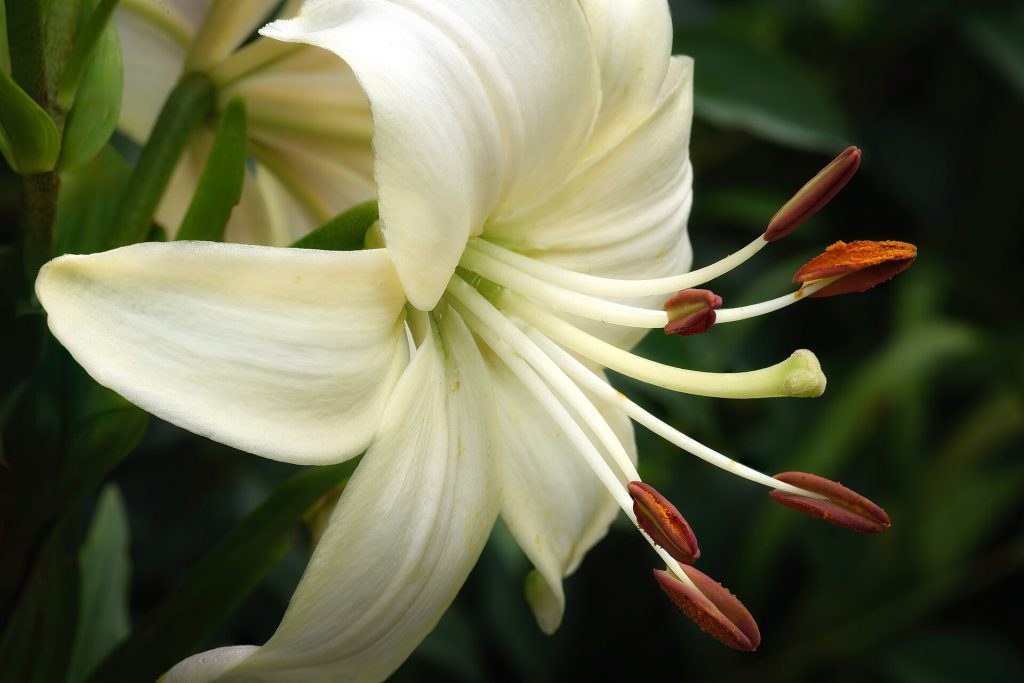
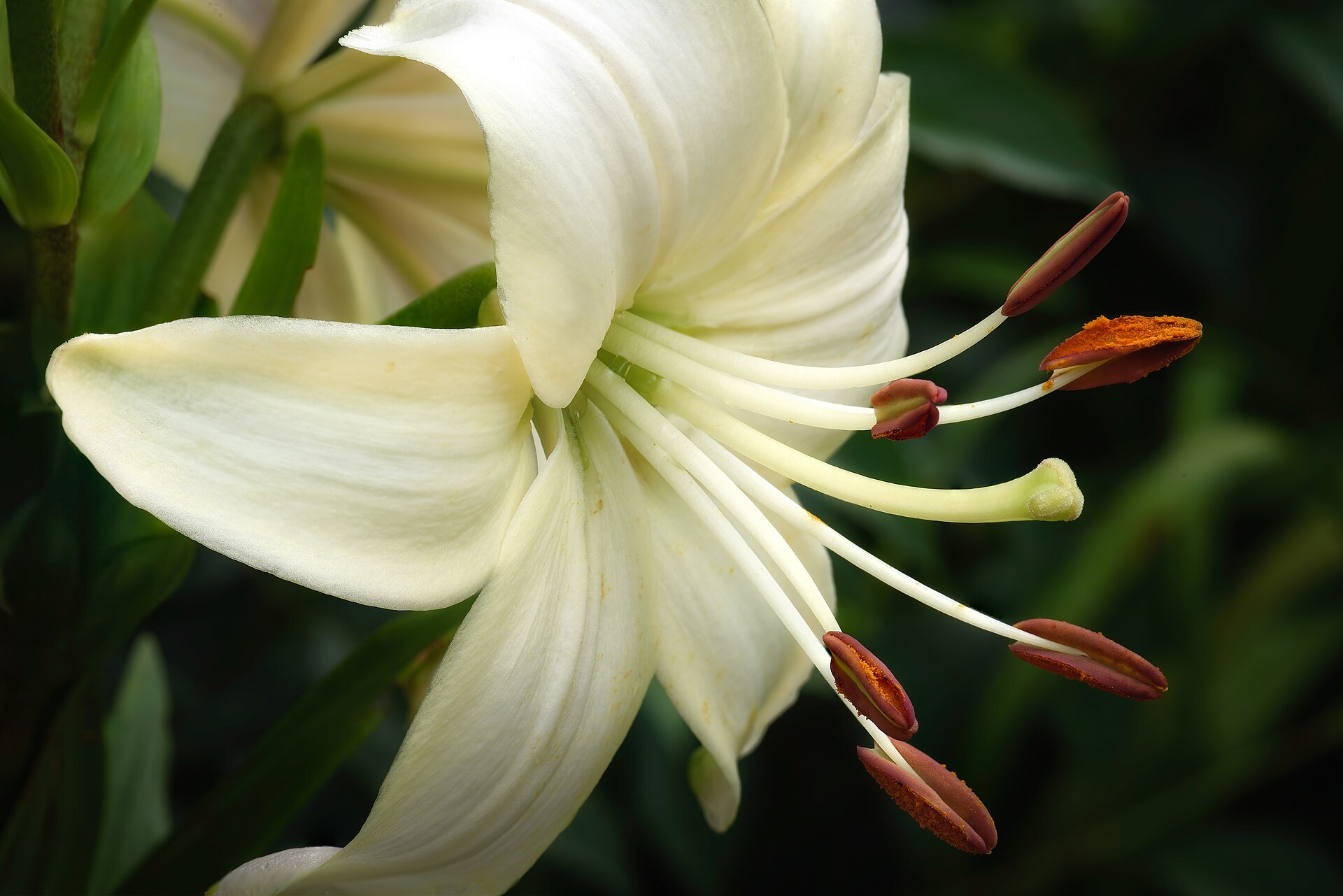

Lilies are some of the most dramatic flowers you can give. They are large, elegant and often strongly scented, and a single stem can carry several blooms that open one after another. They are also among the most symbolic flowers, linked with purity, and they appear at both weddings and funerals.
There is one important warning that comes before everything else: true lilies are extremely dangerous to cats. If the recipient has a cat, choose another flower. This guide covers what lilies mean, color meanings, the best occasions, care and pet safety. It is part of our flower meanings guide.
Lily meaning at a glance
- Overall meaning: purity, virtue and devotion.
- Birth month: true lilies are not a traditional birth flower, but lily of the valley is May’s birth flower and the water lily is a July birth flower.
- Best for: weddings, sympathy and milestone celebrations.
- Vase life: about 7 to 14 days.
- Pets: true lilies are highly toxic to cats. Never send them to a home with cats.
What do lilies symbolize?
The Old Farmer’s Almanac gives the white lily the meanings purity, virginity and “heavenly”, and Interflora says the name comes from the Greek leirion. Across many cultures the white lily has been a symbol of purity and devotion, which is why lilies appear in both bridal bouquets and sympathy arrangements.
Which flowers are true lilies?
True lilies belong to the genus Lilium, which Interflora says has more than 90 species. Familiar types include Asiatic, Oriental and trumpet lilies, and popular florist varieties such as the stargazer. Several other flowers are called lilies but are not true lilies:
- Peace lily (Spathiphyllum), a popular houseplant.
- Peruvian lily (Alstroemeria), a long-lasting bouquet flower. Read our alstroemeria meaning guide.
- Calla lily (Zantedeschia), with its sleek trumpet shape.
- Lily of the valley (Convallaria majalis), the small, scented May birth flower. Despite the name, it is botanically unrelated to true lilies and belongs to the asparagus family; read our lily of the valley meaning guide.
The difference matters most for pet safety, as you’ll see below.
Lily color meanings
The Almanac records the Victorian meanings, and Interflora gives modern florist meanings. They don’t always agree, especially for orange.
- White: purity and virtue. A classic for weddings and, as a symbol of peace and remembrance, for sympathy.
- Yellow: “happy” and “walking on air” in the Victorian language of flowers. Interflora suggests yellow lilies for get well wishes.
- Orange: the Almanac’s Victorian list gives orange lilies the meaning “hatred”, but Interflora’s modern meaning is confidence and pride. If you are worried about mixed messages, choose another color.
- Pink: prosperity, good for celebrations and anniversaries.
- Red: passion.
- Tiger lily: wealth and pride.
The calla lily, although not a true lily, has its own Victorian meaning: beauty.
Birth month and best occasions
True lilies are not on the traditional birth-flower lists, but two “lilies” are: lily of the valley is the birth flower for May (see May birth flowers), and the water lily is a birth flower for July (see July birth flowers).
Lilies suit:
- Sympathy and funerals: white lilies are a traditional choice, but see the pet warning below before sending them to a family home.
- Anniversaries: some anniversary lists give the lily for the 30th year, and the calla lily for the 6th.
- Birthdays and weddings, for homes without cats.
Season and availability
Garden lilies flower in summer. Interflora says lilies in the UK usually bloom from June to August or September, with Asiatic lilies first and trumpet and Oriental lilies later. Cut lilies are grown commercially and are available from florists all year.
How to care for cut lilies
Interflora says lilies can last 10 to 14 days in a vase, and the Kansas State University table shared by the University of California gives 7 to 10 days. Interflora’s care tips:
- Trim the stems at a 45-degree angle with a sharp knife or scissors.
- Fill the vase with clean water and change it every two days.
- Keep the vase in a cool spot with bright, indirect light, out of direct sun.
- Remove faded flowers so the remaining buds can open.
Many people also remove the pollen-heavy anthers as the flowers open, because lily pollen stains fabric and, more importantly, is toxic to cats. For more tips, read our guide to keeping flowers fresh longer.
Are lilies safe for cats and dogs?
Not for cats. The ASPCA lists true lilies (Lilium species) as toxic to cats, causing kidney failure, while listing them as non-toxic to dogs and horses. The US Food and Drug Administration warns that the entire lily plant is toxic to cats, including the flowers, leaves, pollen and even the water in the vase. A cat that licks pollen off its fur can be poisoned, and kidney failure can develop in less than three days. The FDA says that if treatment is delayed by 18 hours or more after exposure, the cat will generally have irreversible kidney failure.
The FDA lists Asiatic, Easter, Japanese show, Oriental, rubrum, stargazer, tiger and wood lilies, as well as daylilies, as highly toxic to cats. Dogs that eat lilies may get only minor stomach upset.
Some “lilies” carry different risks:
- Lily of the valley is toxic to dogs, cats and horses and can affect the heart, according to the ASPCA.
- Peace and calla lilies contain insoluble calcium oxalates, which cause painful mouth irritation in dogs and cats.
- Peruvian lily (alstroemeria) is listed as non-toxic by the ASPCA, which makes it a good lily-like choice for pet owners.
If you think a cat has had any contact with a lily, treat it as an emergency and contact your vet, the ASPCA Animal Poison Control Center on (888) 426-4435 or the Pet Poison Helpline on 855-764-7661 (fees may apply).
Keep exploring
See all flower meanings, read about lily of the valley and alstroemeria, choose by occasion in what flowers to send, or browse 85 types of flowers. Looking for flowers that say sorry rather than sympathy? See our guide to apology flowers. Because true lilies are so dangerous to cats, see flowers safe for cats before sending a bouquet to a home with pets. For funerals and white blooms, see funeral flowers by religion and white flowers meaning.
Frequently asked questions
Lilies, especially white lilies, symbolize purity, virtue and devotion. That is why they are used both for weddings and for sympathy.
Yes. White lilies are a traditional sympathy flower. If you are sending flowers to a family home, check whether they have cats first, because lilies are highly toxic to cats.
Yes. True lilies and daylilies are highly toxic to cats. Every part of the plant, including the pollen and the vase water, can cause kidney failure, so contact a vet immediately if a cat is exposed.
No. Calla lilies, peace lilies, Peruvian lilies and lily of the valley are not true lilies, although several of them carry their own risks for pets.
With good care, lilies usually last about 7 to 14 days, and the buds keep opening as the older flowers fade.
Sources
- The Old Farmer’s Almanac: Flower meanings
- Interflora: Lily flower guide
- University of California (from Kansas State University Extension): Vase life of selected cut flowers
- US Food and Drug Administration: Lovely lilies and curious cats, a dangerous combination
- ASPCA: Lily
- ASPCA: Lily of the valley
- ASPCA: Peruvian lily