

Flowers Safe for Cats: Pet-Safe Bouquet Choices (ASPCA)


A beautiful bouquet should not become an emergency. Cats chew leaves and petals, drink vase water and bat fallen florets under the sofa. Some florist favorites are severely toxic to cats; others are listed by the ASPCA as non-toxic. This guide helps you choose more carefully. It is not veterinary advice. If a pet eats a plant and you are worried, contact a vet or a poison hotline right away.
This page uses the ASPCA’s toxic and non-toxic plant lists and the FDA’s warning on lilies and cats. It is part of our flower care and learning guides.
The most important warning: lilies
True lilies (Lilium) and daylilies (Hemerocallis) are extremely dangerous to cats. The ASPCA lists lily as toxic to cats, and the FDA warns that even small amounts of leaf or pollen can cause kidney failure. If you share a home with cats, skip lily bouquets entirely and ask the florist to leave them out of mixed arrangements. See our lily meaning guide for cultural uses, and choose something else when pets are involved.
Flowers the ASPCA lists as non-toxic
These popular options are listed as non-toxic to cats (and, on the same pages, to dogs and horses). “Non-toxic” does not mean a cat can eat a whole bouquet without an upset stomach; it means the ASPCA does not list them as poisonous plants.
- Roses (Rosa)
- Sunflowers (Helianthus)
- Zinnias
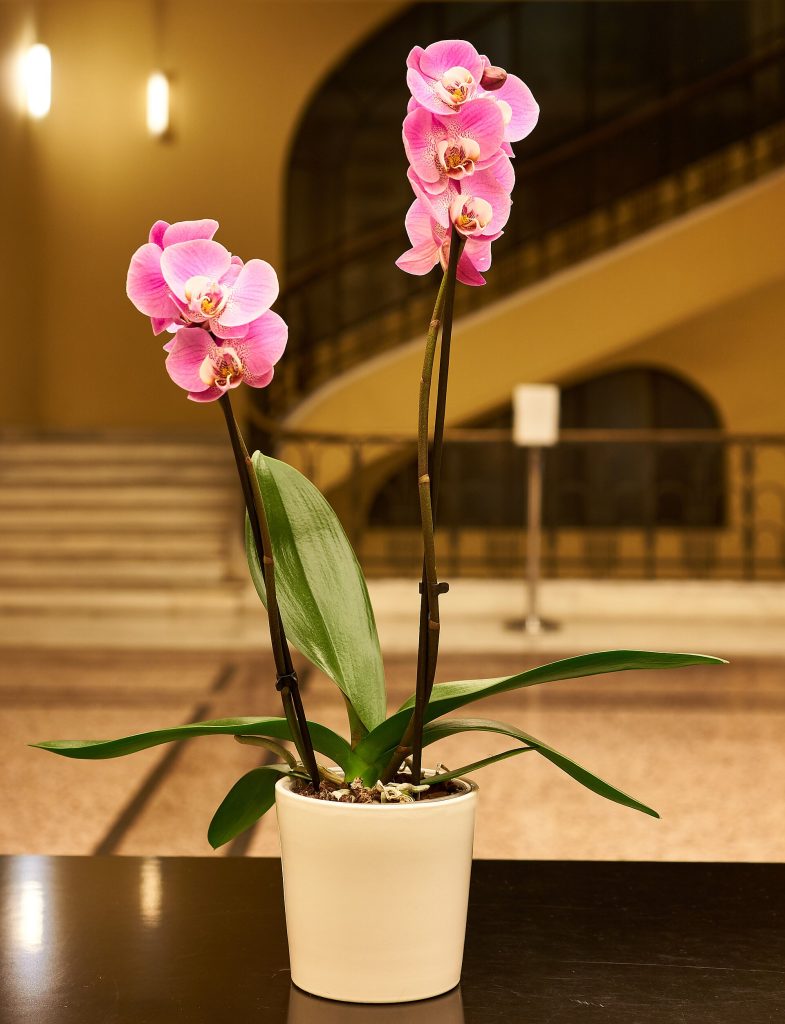
- Phalaenopsis (moth) orchids
- African daisies / gerbera-type daisies (ASPCA lists African daisy as non-toxic; see also gerbera meaning)
A potted moth orchid often lasts longer than cut stems and keeps leaves and petals farther from floor level, which can help in some homes.
Common bouquet flowers that are toxic to cats
According to ASPCA plant pages, these florist staples are toxic to cats (many are toxic to dogs as well):
- Lilies (severe; see above)
- Tulips and hyacinths
- Daffodils
- Hydrangeas
- Peonies
- Carnations
- Chrysanthemums
- Irises
- Gardenias
When you order, say that you need a cat-safe arrangement and name the flowers to avoid. Soft pink roses, sunflowers or a moth orchid are clearer requests than “whatever is seasonal.”
Practical tips for homes with cats
- Place the vase where cats cannot knock it over or chew stems.
- Clear fallen petals and pollen promptly, especially from any bouquet that included risky flowers before you knew.
- Do not let pets drink from the vase water.
- If you are unsure about a flower, check the ASPCA’s toxic and non-toxic plant list before you buy.
- For sympathy and funeral flowers, white lilies are traditional in many places; if the recipient has cats, choose white roses or orchids instead. See sympathy and funeral flowers.
Keep exploring
If the home also has a dog, see flowers safe for dogs. Care for a safer bouquet with how to keep cut flowers fresh. Roses specifically: how to make roses last longer. Choosing by occasion: what flowers to send. Looking for a holiday plant? The ASPCA lists the Christmas cactus as non-toxic to cats; see our Christmas cactus care guide. For the holidays, see Christmas plants safe for pets.
Frequently asked questions
ASPCA non-toxic listings commonly used in bouquets include roses, sunflowers, zinnias, Phalaenopsis orchids and African daisies. Always recheck the ASPCA list for the exact plant.
Yes. The ASPCA lists rose as non-toxic to cats, dogs and horses. Watch for thorns and stomach upset if a cat eats a lot of plant material.
The ASPCA lists lily as toxic to cats, and the FDA warns that very small amounts can cause kidney failure. Treat any lily exposure as urgent.
No. The ASPCA lists carnation as toxic to cats, dogs and horses.
Contact a veterinarian or pet poison hotline promptly, with the flower name if you know it. This guide is not a substitute for professional advice.