

Flowers That Mean Love: Blooms for Romance, Beyond Red Roses
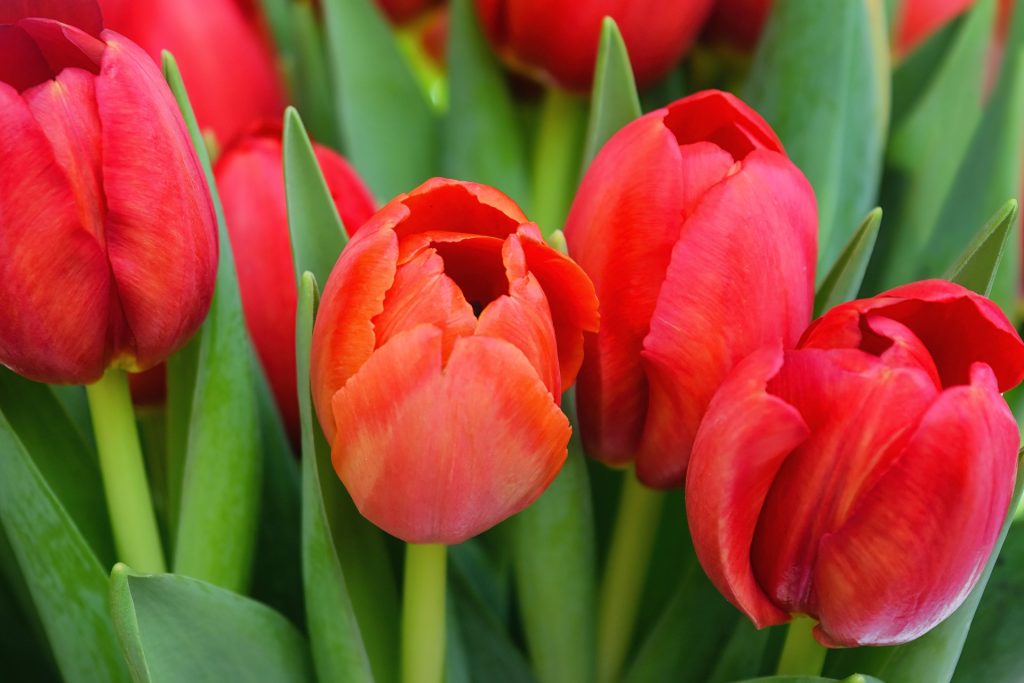
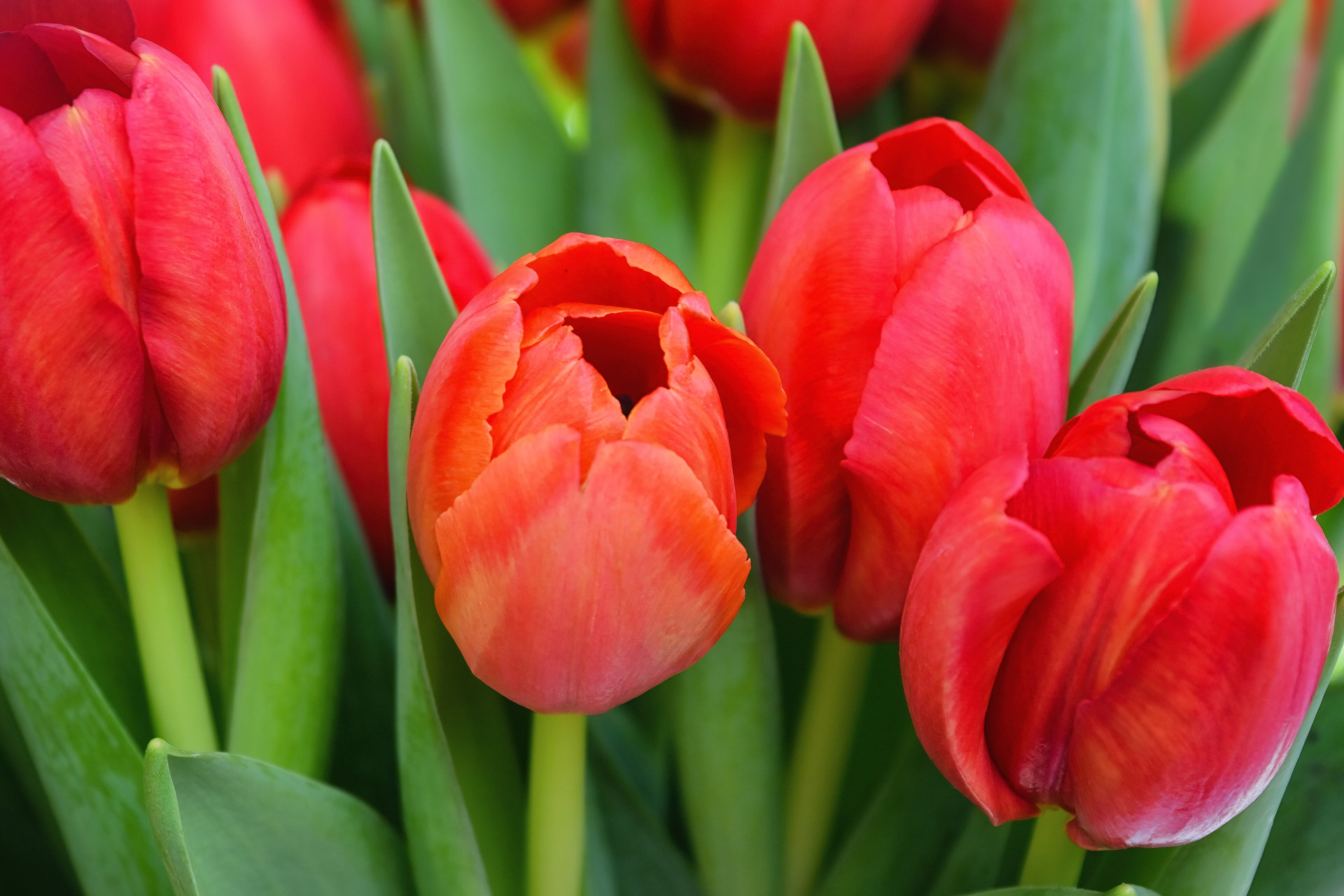

Red roses are the flower most people reach for when they want to say “I love you,” and for good reason. They are not the only option. The language of flowers, and the way we use blooms today, gives you a wider range: red tulips as a declaration of love, peonies for a romantic season, carnations for deep feeling, and quieter flowers for a love that is faithful rather than dramatic.
This guide gathers the flowers most clearly associated with love, with sources from The Old Farmer’s Almanac and links to our individual meaning pages. For a first meeting, start instead with flowers for a first date, where a smaller, lighter bouquet is usually a better fit. For set occasions, see Valentine’s Day flowers and anniversary flowers.
Flowers that mean love, at a glance
- Red rose: love, “I love you.” The classic choice, especially as a dozen.
- Red tulip: a declaration of love, with a fresher, less formal look than roses.
- Red carnation: deep love, or “my heart aches,” in the Victorian lists.
- Red chrysanthemum: “I love you,” on the Almanac’s chart.
- Forget-me-not: true-love memories, and “do not forget me.”
- Honeysuckle: bonds of love.
- Peony, gardenia, lilac and orchid: romantic in their own ways, from a happy life to secret love, first love and admiration.
Red roses, and what other rose colors say
The Almanac is unambiguous: a red rose means love, or “I love you.” A dark crimson rose is listed for mourning, a pink rose for grace, happiness and gentleness, a white rose for purity and a new beginning, and a lavender rose for love at first sight. Yellow roses traditionally meant jealousy or a decrease of love in Victorian lists, though today they are widely used for friendship. Orange roses stand for desire and enthusiasm. For flowers to give a friend rather than a partner, see flowers that mean friendship.
If you want the clearest romantic message, red is still the color that says it outright. If you want warmth without that exact sentence, pink or a mixed pink-and-red bunch is a softer path. The number of stems can add a message too; our rose meaning guide covers that in more detail. A single red rose can be intimate and direct. A large formal dozen is a bigger statement, better for an established relationship or a landmark date than for a first step.
Red tulips and other romantic blooms
The Almanac’s short list of flowers that symbolize love names the red tulip as a “declaration of love,” alongside the red rose, honeysuckle (bonds of love), heliotrope (eternal love and devotion) and forget-me-nots (true-love memories). A bunch of red tulips is one of the best alternatives to roses: seasonal, vivid and clearly romantic without looking like a default Valentine’s box.
Other flowers from the Almanac chart, and from our own guides, that sit in the same territory:
- Red carnations for deep love. Pink carnations say “I’ll never forget you,” and are also a traditional Mother’s Day flower, so they can lean familial rather than romantic depending on the context.
- Red chrysanthemums for “I love you.” Be careful with chrysanthemums in Italy and much of East Asia, where they can be funeral flowers.
- Forget-me-nots for true-love memories, a tender choice in a mixed spring bouquet or a pressed keepsake.
- Peonies, listed by the Almanac as “bashful, happy life.” In practice they are one of the most requested romantic and wedding flowers of late spring.
- Gardenias for “you’re lovely” and secret love.
- Lilacs for the joy of youth and, often, first love.
- Orchids for refined beauty and admiration, a longer-lasting plant gift.
- Violets for faithfulness and, in some lists, love.
- Red camellias for “you’re a flame in my heart.”
- Baby’s breath for everlasting love, usually as a filler rather than the whole bouquet.
- Myrtle, which the Almanac lists as “love in a marriage,” and which still appears in some wedding traditions.
You do not need every symbol in one bunch. One clear flower, in a color that matches what you want to say, is stronger than a crowded coded arrangement.
How to choose, by moment
- A first or early date: keep it small and not too formal. See flowers for a first date rather than reaching for a dozen red roses.
- Valentine’s Day or an anniversary: red roses or red tulips if you want a direct message; peonies in season; a favorite flower if you already know one. See Valentine’s Day and anniversary flowers.
- A wedding: white and blush often share the bouquet with a meaningful red or pink accent. See wedding flowers and white flowers meaning.
- A quiet, ongoing love: forget-me-nots, violets, a single rose, or a plant such as an orchid that lasts beyond a week.
Pet safety
Romantic does not have to mean risky. The ASPCA lists roses, orchids, gerberas, sunflowers and alstroemeria as non-toxic to dogs and cats. Tulips, peonies, carnations, chrysanthemums, gardenias and lily of the valley are toxic, and true lilies are an emergency for cats. If the person you love shares a home with a pet, a rose or orchid bouquet is both romantic and safer. See flowers safe for cats and flowers safe for dogs.
Keep exploring
Read the full color stories in our rose, tulip, peony and carnation guides, or browse all flower meanings and what flowers to send. For more red blooms, see red flowers meaning. Buying for a boyfriend or husband? See flowers for men. For fresh starts, see flowers that mean new beginnings.
Frequently asked questions
A red rose is the clearest traditional choice. The Almanac also lists a red tulip as a declaration of love and a red chrysanthemum as “I love you.”
Red tulips, red carnations, forget-me-nots, honeysuckle, peonies, gardenias and red camellias are all associated with love or devotion, in slightly different ways.
Red for romantic love. Pink for a gentler affection, lavender for love at first sight, and white for a new beginning or reverence. Yellow is now often used for friendship, though older lists tied it to jealousy.
Yes. A red tulip is a traditional declaration of love, and a mixed tulip bunch is a fresh alternative to roses, especially in spring.
A small, informal bouquet is better than a dozen red roses. See our first-date flowers guide for tulips, gerberas and other lighter choices.