

Housewarming Flowers and Plants: What to Bring to a New Home
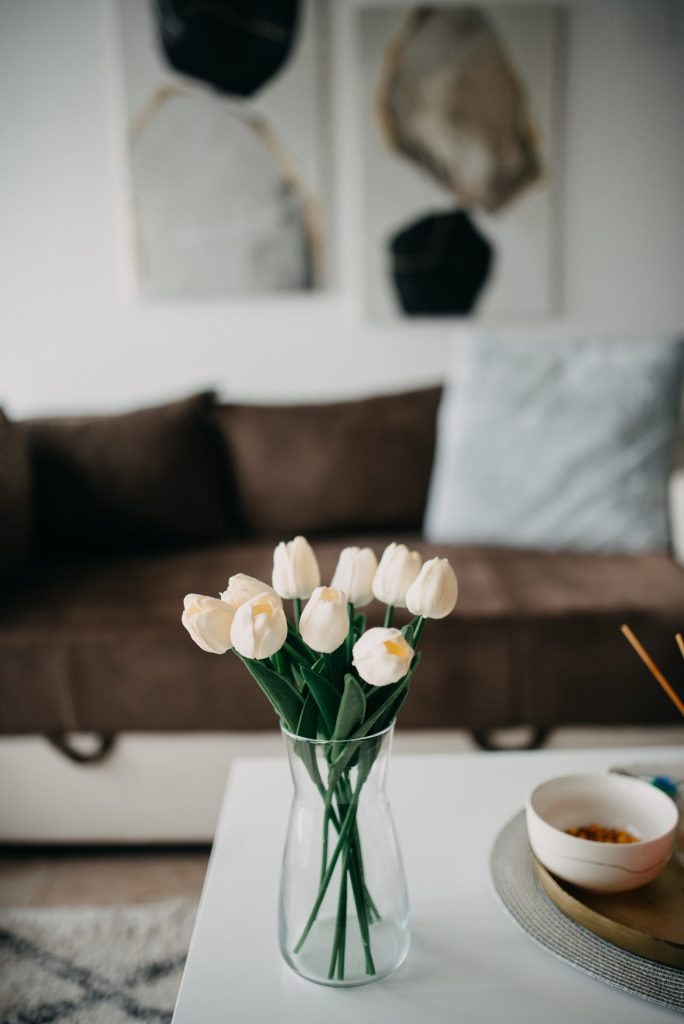
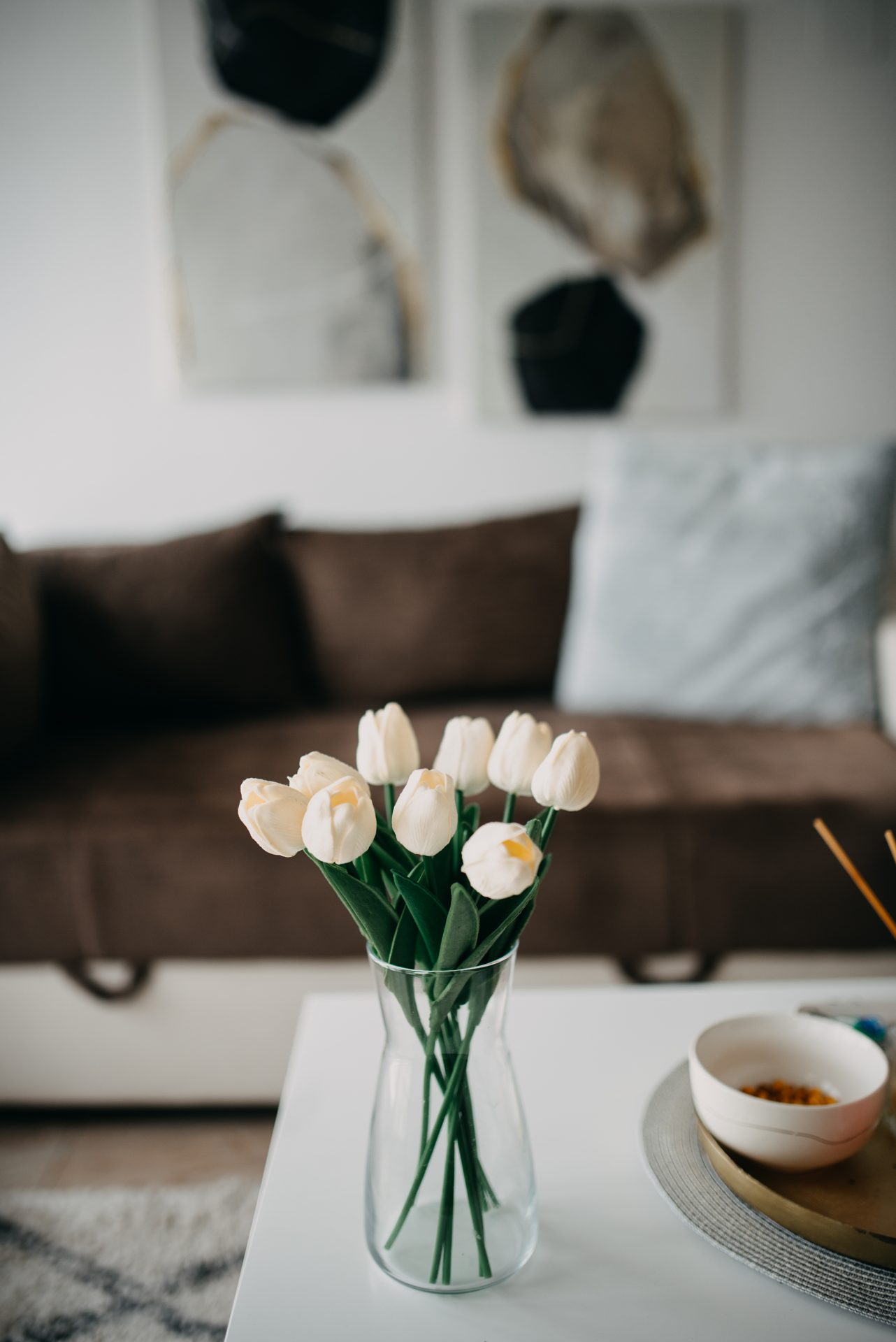

Flowers and plants are some of the easiest housewarming gifts to get right. They brighten up a home that may still be full of boxes, they do not need to match anyone’s furniture, and a good houseplant will still be there long after the party.
This guide covers what to bring to a new home, which flowers and plants carry the right meaning, which are easy to care for and safe around pets, what to skip and a few etiquette tips so your gift helps rather than adds to the hosts’ to-do list. It is part of our what flowers to send series.
Housewarming flowers at a glance
- Best overall: an easy-care houseplant, such as a pothos, snake plant, spider plant, ZZ plant or cast iron plant.
- Best bouquet: long-lasting flowers like carnations, chrysanthemums, alstroemeria or sunflowers, brought already in a vase or jar.
- Best for cooks: a pot of basil, rosemary or thyme.
- Best meanings: holly for domestic happiness, basil for good wishes and ivy for friendship, from the Victorian language of flowers.
- Pet-friendly picks: spider plants, cast iron plants, parlor palms, Boston ferns, moth orchids, African violets and Christmas cactus, all non-toxic to dogs and cats according to the ASPCA.
Is it OK to bring flowers to a housewarming?
Yes. The Emily Post Institute says housewarming gifts are welcome but not required, and it lists a houseplant or a patio or garden plant among suitable gifts. For flowers, its advice for hosting gifts in general is that a bouquet is a classic, but best brought in a vase, or a mason jar, when possible. That way the hosts do not have to stop greeting guests to hunt for a vase in a kitchen they have only just unpacked.
The best housewarming plants
A plant is often the better gift for a new home: it lasts, it grows with the house and it is easy to carry. Pick one that tolerates a range of light, since you may not know which rooms get sun. Iowa State University Extension and University of Wisconsin Extension both recommend these as easy, forgiving houseplants:
- Pothos: Iowa State calls it one of the easiest and most forgiving houseplants, growing in low to moderate light. It trails nicely from a shelf. The ASPCA lists it as toxic to dogs and cats.
- Snake plant: nearly indestructible, according to Iowa State, which says it grows in low to direct light and that “the only way to kill this plant is to overwater it”. Toxic to pets.
- ZZ plant: Iowa State says it does exceptionally well in low light and tolerates dry soil and low humidity, which makes it a good choice for a dim apartment.
- Spider plant: easy to grow and to share, since its small plantlets can be potted up. It prefers indirect light. The ASPCA lists it as non-toxic to dogs and cats.
- Cast iron plant: Iowa State says it endures heat, dust, low light and lack of water better than most houseplants. Non-toxic to pets.
- Peperomia: small, with fleshy leaves, and happy to dry out a little between waterings. Several peperomias are listed as non-toxic by the ASPCA.
- Peace lily: grows in low light and flowers best in indirect sunlight, and its leaves wilt to tell you when it needs water. The ASPCA lists it as toxic to dogs and cats.
A moth orchid is a more elegant choice. It flowers for weeks with little care and is non-toxic to pets. See how to care for an orchid, and add a care card to any plant you give.
The best housewarming flowers
If you prefer a bouquet, choose flowers that last, because the hosts will have plenty else to do in their first weeks. University of Illinois Extension says carnations and mums may last up to two weeks in a vase, while roses and gerberas last roughly four to twelve days.
- Carnations and chrysanthemums: long-lasting, inexpensive and available in almost every color. See carnation meaning and chrysanthemum meaning.
- Alstroemeria: cheerful, long-lasting and listed as non-toxic to dogs and cats by the ASPCA (as Peruvian lily). See alstroemeria meaning.
- Sunflowers: bright and welcoming, and non-toxic to pets. See sunflower meaning.
- Pink roses: in the Victorian language of flowers, pink roses mean happiness. See rose meaning.
- Tulips and daffodils: lovely in late winter and spring. Daffodils are a symbol of new beginnings. See flowers that mean new beginnings.
Keep the arrangement compact. A small, low bouquet in a jar fits on a kitchen counter or a windowsill much more easily than a tall florist arrangement.
Flowers and plants that mean good luck in a new home
The Old Farmer’s Almanac’s chart of mostly Victorian flower meanings has several that suit a new home:
- Holly: defense and domestic happiness. A natural choice for a winter housewarming.
- Basil: good wishes. A pot for the kitchen windowsill is useful as well as symbolic.
- Ivy: affection, friendship and fidelity.
- Marjoram: joy and happiness.
- Myrtle: good luck.
- Peony: happy life.
- Arborvitae: unchanging friendship. A small potted one suits a new home with a yard.
Few people know these meanings today, so add a card if you want the message to land. If the hosts have pets, note that the ASPCA lists holly, English ivy, marjoram and peonies as toxic to dogs and cats. For more, see our flower meanings list.
Herbs for a new kitchen
A pot of herbs is a practical gift for someone who loves to cook. Rosemary, basil, thyme and sage are all listed as non-toxic to dogs and cats by the ASPCA, while mint, oregano, marjoram and parsley are listed as toxic. Herbs generally want a sunny windowsill, so they suit a home with good light.
What to avoid
- Lilies, if the hosts have a cat. The FDA warns that true lilies and daylilies can cause kidney failure in cats, even from a small amount of pollen or vase water.
- Huge or fussy plants. A large plant is hard to place in a home that is still being arranged, and fussy plants like calatheas can be a chore. Iowa State calls calathea so persnickety that there are memes about it.
- Strongly scented flowers, such as lilies or hyacinths, for small apartments or anyone sensitive to fragrance.
- Cyclamen, if you know your language of flowers. The Almanac gives it the meanings resignation and goodbye, not ideal for a welcome. It is also toxic to pets.
- Loose flowers that need arranging. Bring them in a vase or jar, or send them later.
When to give flowers to a new home
At the housewarming party. Bring a plant or a bouquet already in water, hand it over, and let the hosts decide where it goes.
A week or two after the move. Moving day is chaotic, and cut flowers delivered then may sit in a box. A plant or bouquet that arrives once they have unpacked a little is often more welcome.
For new neighbors. A small potted plant or a jar of garden flowers with a note and your phone number is a friendly hello.
For a first home. A plant that will grow with them, like a pothos or a spider plant, makes a lovely keepsake. Mix in some congratulations flowers if the move is a big milestone.
In the holiday season. A Christmas cactus (non-toxic to pets), an amaryllis bulb or a potted Christmas rose all make a festive welcome. See Christmas flowers and winter flowers for more ideas.
What to write on a housewarming card
- “Welcome home! Wishing you many happy years here.”
- “Here’s to new beginnings in your new home.”
- “Basil stands for good wishes. May your new kitchen be full of good food and good friends.”
- “Something green to make the new place feel like home.”
- “So happy for you. Can’t wait to visit.”
- “Water when the soil feels dry, and enjoy your new home.”
Pet safety
Many popular houseplants are toxic to pets, so check before you buy for a household with cats or dogs. According to the ASPCA, spider plants, cast iron plants, parlor palms, Boston ferns, moth orchids, African violets, Christmas cactus, roses, sunflowers and Peruvian lilies are non-toxic to dogs and cats, while pothos, snake plants, peace lilies, jade plants, English ivy and holly are toxic. If a pet eats any plant and seems unwell, call a vet or the ASPCA Animal Poison Control Center on (888) 426-4435 (a fee may apply). See flowers safe for cats and flowers safe for dogs.
Keep exploring
Find more gift ideas in thank-you flowers, congratulations flowers and flowers that mean friendship, learn how to keep cut flowers fresh, or browse what flowers to send for every occasion.
Frequently asked questions
Yes. Flowers and plants are classic housewarming gifts. The Emily Post Institute lists a houseplant or a patio or garden plant among suitable gifts, and suggests bringing a bouquet already in a vase or jar so the hosts do not have to arrange it.
An easy-care plant that tolerates different light levels, such as a pothos, snake plant, ZZ plant, spider plant or cast iron plant. If the hosts have pets, choose a pet-safe option like a spider plant, cast iron plant, parlor palm or moth orchid.
In the Victorian language of flowers, holly means domestic happiness, basil means good wishes, ivy means friendship and fidelity, and myrtle means good luck. Daffodils and white roses symbolize new beginnings.
The ASPCA lists spider plants, cast iron plants, parlor palms, Boston ferns, moth orchids, African violets, Christmas cactus and herbs such as basil, rosemary and thyme as non-toxic to dogs and cats. Pothos, snake plants and peace lilies are listed as toxic.
Avoid lilies for homes with cats, very large or demanding plants, strongly scented flowers for small spaces, and loose bouquets that the hosts must arrange during the party.
Sources
- Emily Post Institute: Should I bring a gift for my host?
- Iowa State University Extension: Easy low-maintenance houseplants
- University of Wisconsin Extension: Dependable and durable houseplants
- University of Illinois Extension: Help your Valentine’s flowers last longer
- The Old Farmer’s Almanac: Flower meanings, the language of flowers
- FDA: Lovely lilies and curious cats, a dangerous combination
- ASPCA: Toxic and non-toxic plants