

Thank-You Flowers: What to Send to Say Thanks
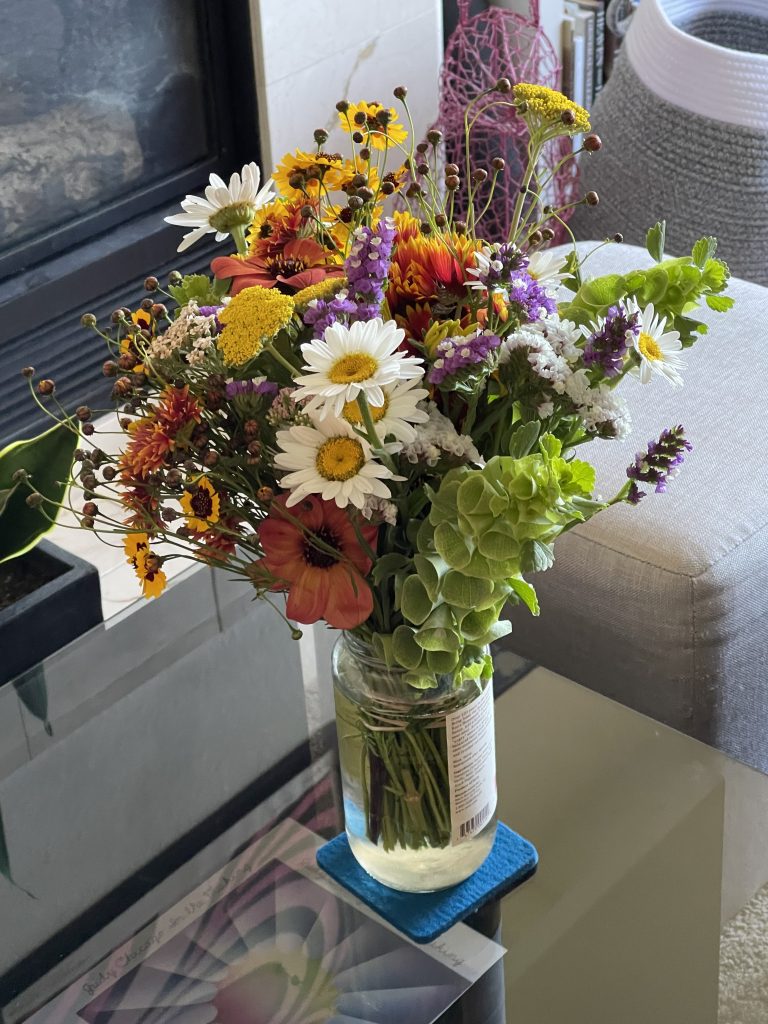
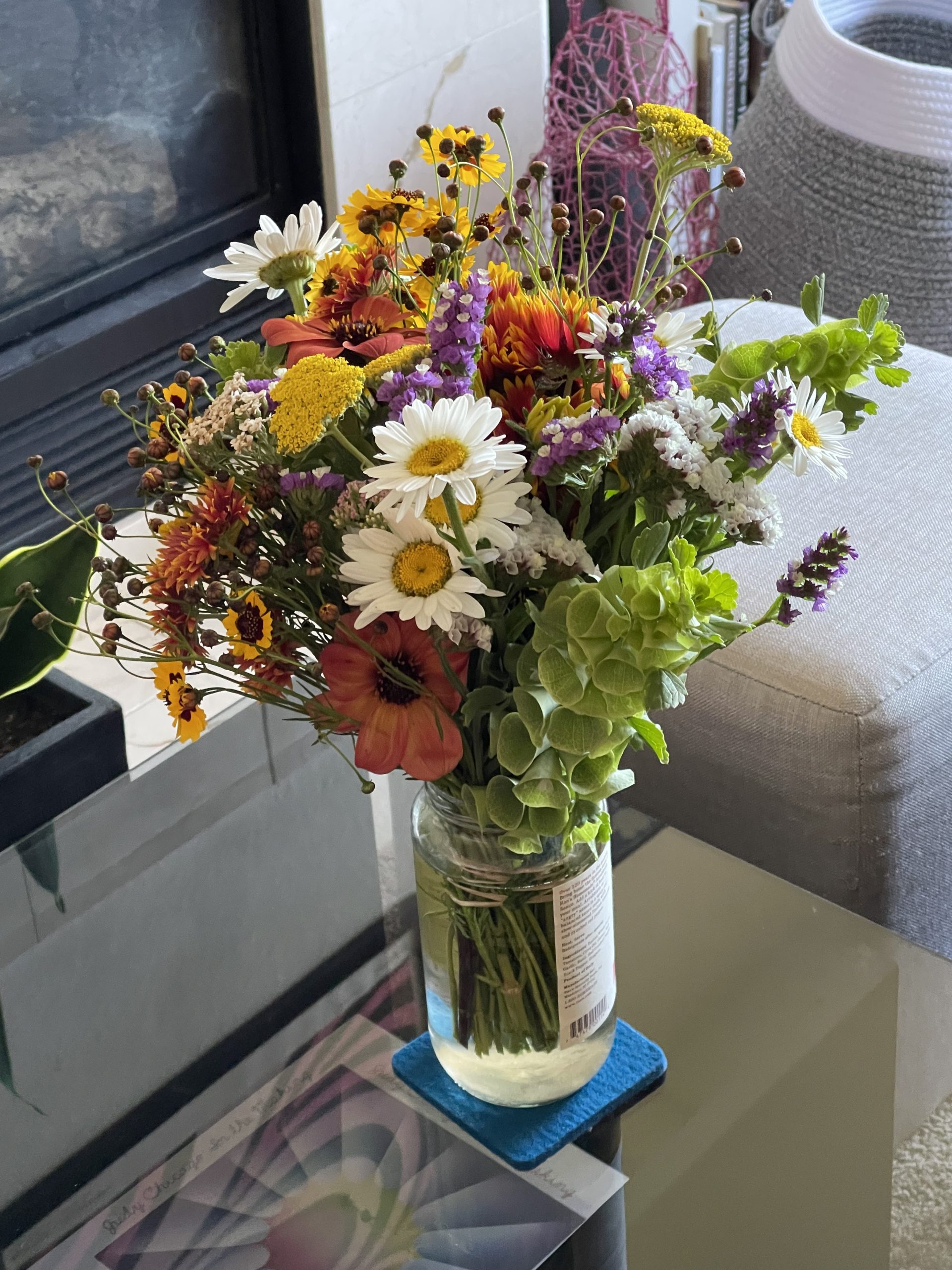

A thank-you bouquet is one of the simplest, most welcome gifts you can send. It does not need to be large or expensive. It needs to feel personal, arrive at the right moment and carry a clear note of appreciation. Sweet peas have a traditional “thank you” meaning, hydrangeas can say heartfelt thanks, and many cheerful flowers work when you simply want to show you noticed someone’s help.
This guide covers the best thank-you flowers and colors, what to avoid, card ideas, budget, pet safety and timing. It is part of our what flowers to send guide.
Thank-you flowers at a glance
- Best choices: sweet peas, hydrangeas, mixed garden flowers, the recipient’s favorites and soft pink or mixed cheerful blooms.
- Colors: pink for gratitude and gentleness, yellow for friendly thanks, mixed bright colors for casual appreciation.
- Avoid: funeral-coded white-only designs in cultures where white means mourning, and anything that looks like a romantic grand gesture if the thanks is professional.
- Most important: a specific thank-you note that names what they did.
- Timing: soon after the favor, visit or event, while the kindness is still fresh.
The best flowers to say thank you, and why
- Sweet peas: The Old Farmer’s Almanac gives sweet pea meanings that include “thank you for a lovely time,” blissful pleasure and goodbye. They are one of the clearest traditional thank-you flowers.
- Hydrangeas: the Almanac lists “gratitude for being understood,” and Interflora links hydrangeas with gratitude and heartfelt emotion. A hydrangea plant or bouquet suits deeper thanks.
- Pink roses: grace, happiness and gentleness in the Almanac, and gratitude and admiration according to Interflora.
- Alstroemeria: friendship and devotion, with excellent vase life for a lasting thank-you.
- Sunflowers, gerberas and zinnias: bright, informal thanks for friends, teachers and neighbors.
- Their favorite flower: always the safest personal choice.
Choosing colors
Pink reads as gratitude and gentle appreciation in many florist traditions. Yellow suits friendly, non-romantic thanks. Mixed garden colors feel handmade and warm. Save deep red roses for romantic thanks to a partner; in a workplace they can send the wrong signal.
What to avoid
- Overly romantic designs for colleagues or clients: skip red rose-only bouquets unless the relationship is romantic.
- Cultural missteps with white flowers: the Cultural Atlas notes that white flowers are often linked with funerals in Japan, and that white and yellow gifts can be sensitive in Chinese etiquette. Soft pink or mixed colors are safer across many cultures.
- A generic card: “Thanks” alone is weak. Name the dinner, the help with the move or the recommendation.
- Sending nothing when a note would do: if flowers feel too much, a handwritten note still matters. Flowers amplify thanks; they shouldn’t replace sincerity.
Pet safety
If the recipient has pets, prefer roses, sunflowers, gerberas, orchids (Phalaenopsis), alstroemeria or zinnias, which the ASPCA lists as non-toxic. Avoid true lilies around cats, and be careful with tulips, hyacinths, carnations and chrysanthemums, which appear on toxic lists. See individual flower meaning guides for details.
Budget guidance
- A small mixed bouquet or a bunch of seasonal garden flowers is enough for most thank-yous.
- A single special stem or a small hydrangea plant can feel more thoughtful than a huge arrangement.
- For group thanks (a team, a wedding party helper), a mid-size colorful bouquet works well.
- Homegrown sweet peas or zinnias, when in season, are both personal and inexpensive.
Delivery timing
Send soon after the kindness. Same-week delivery is ideal for dinner-party hosts, helpers and professional favors. For wedding or event helpers, sending within a week keeps the thanks connected to the day. If you are thanking someone who is about to travel, confirm they will be home to receive the delivery.
Card message ideas
- “Thank you for dinner last night. We loved every minute.”
- “Your help with the move meant more than you know.”
- “Thank you for the recommendation. I got the interview.”
- “Grateful for your kindness this week.”
Keep it specific, short and in your own voice.
Thank-you flowers vs apology flowers
Thank-you flowers celebrate help you already received. Apology flowers try to repair a hurt. Keep the tone different: gratitude notes name the favor; apology notes own the mistake. Sweet peas and hydrangeas work for thanks; soft tulips or mixed gentle blooms are common for apologies. If you are unsure which message you need, write the card first and let the flowers follow.
Group thank-yous
For a whole team or wedding party, one shared arrangement in a break room or a few smaller personal bunches can feel better than a single huge display. Attach a card that lists names when the group is small enough.
Keep exploring
See all occasions in what flowers to send, or read sweet pea, hydrangea and apology flowers for related messages. Thanking a host in a new home? See housewarming flowers.
Frequently asked questions
Sweet peas have a traditional “thank you” meaning in Victorian flower language. Hydrangeas and pink roses are also widely used for gratitude.
Pink is a classic gratitude color. Yellow and mixed bright colors suit friendly, informal thanks.
Yes, if you keep the design non-romantic. Mixed cheerful blooms or a plant are usually better than red roses.
As soon as you can after the favor or event, ideally within a few days to a week.
Name the specific thing you are thanking them for, in one or two sincere sentences.