Camellia Meaning: What Camellias Symbolize by Color
Camellias carry clear Victorian color meanings: pink for longing, red for a flame in the heart, white for “you’re adorable.” Here is what camellias mean, when to give them and pet safety.
Camellias carry clear Victorian color meanings: pink for longing, red for a flame in the heart, white for “you’re adorable.” Here is what camellias mean, when to give them and pet safety.

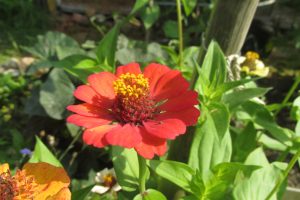
Zinnias stand for lasting affection and thoughts of absent friends. Here is what zinnias mean, when to give them, how to keep cut stems fresh and whether they are safe around pets.

Forget-me-nots stand for true love and remembrance, and their name comes from a medieval legend. Here is what forget-me-nots mean, when to give them, how to grow them and what we know about pet safety.

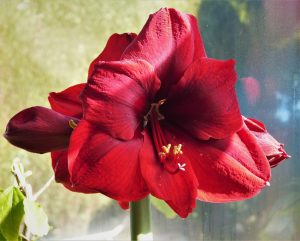
The amaryllis stands for pride, strength and determination, and it has become a favorite holiday flower. Here is what amaryllis means by color, the myth behind it, how to care for the bulb and pet safety.

In the language of flowers, the gardenia whispers “you’re lovely” and stands for secret love. Here is what gardenias mean, where they come from, how to care for them and why they are not pet-safe.

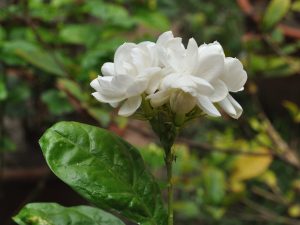
White jasmine stands for sweet love and amiability, and yellow jasmine for grace and elegance. Here is what jasmine means, how it is used in tea and perfume, and which “jasmines” are not jasmine at all.

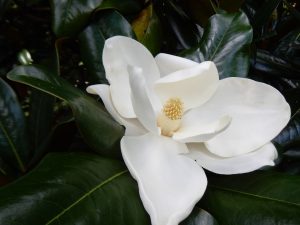
Magnolias stand for nobility and a love of nature, and they are among the oldest flowering plants on Earth. Here is what magnolias mean, their colors and history, and how pet-safe they are.

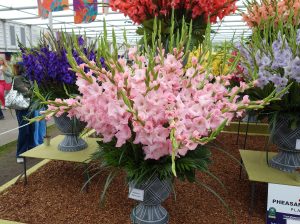
The gladiolus, or sword lily, stands for strength, integrity and victory. It is the August birth flower and the 40th anniversary flower. Here is what gladioli mean and how to care for them.

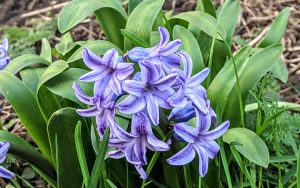
Hyacinths stand for play and sincerity, and their meaning changes with color, from blue constancy to purple regret. Here is what hyacinths mean, their myth and how to care for them.

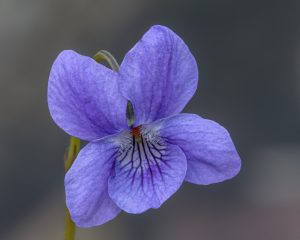
Violets stand for modesty, faithfulness and everlasting love, and they are February’s birth flower. Here is what violets mean by color, their history and how to give them.

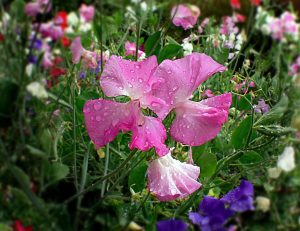
Sweet peas say “thank you for a lovely time”, and they are April’s birth flower. Here is what sweet peas mean by color, where they come from and how to keep them blooming.

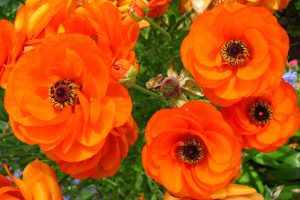
Ranunculus mean charm and beauty, and Interflora says they tell someone you are dazzled by their charms. Here is what ranunculus mean, what they are, and why they are a risk to pets.

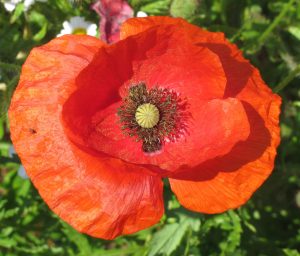
Poppies are the flower of remembrance, and they also stand for sleep, peace and consolation. Here is what poppies mean, where the tradition comes from and how to care for them.

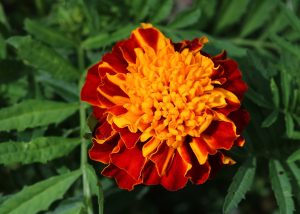
Marigolds stand for warmth, joy and prosperity, but also for grief and remembrance. Here is what marigolds mean, their role in the Day of the Dead and how to care for them.

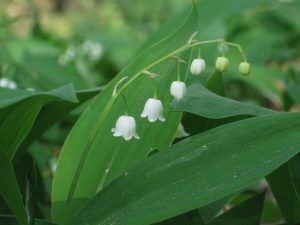
Lily of the valley stands for sweetness, humility and the return of happiness, and it is May’s birth flower. Here is what it means, why it is not a true lily and why it is dangerous for pets.

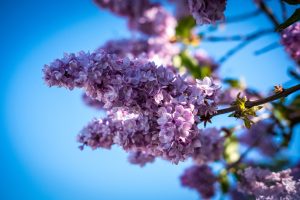
Lilacs stand for first love, the joy of youth and renewal. Here is what lilacs mean by color, where the name Syringa comes from and how to make cut lilacs last.

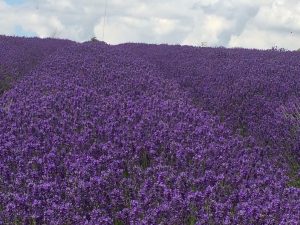
Lavender stands for calm and devotion today, though the Victorians gave it a darker meaning. Here is what lavender means, how to use it in bouquets and why it is a risk to pets.

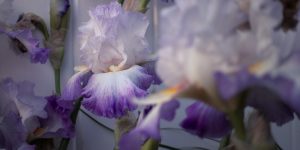
Irises stand for faith, hope and wisdom, and they are named after the Greek messenger of the gods. Here is what irises mean by color, how to care for them and why they are a risk to pets.