

Yellow Flowers Meaning: Friendship, Joy and a Few Old Warnings
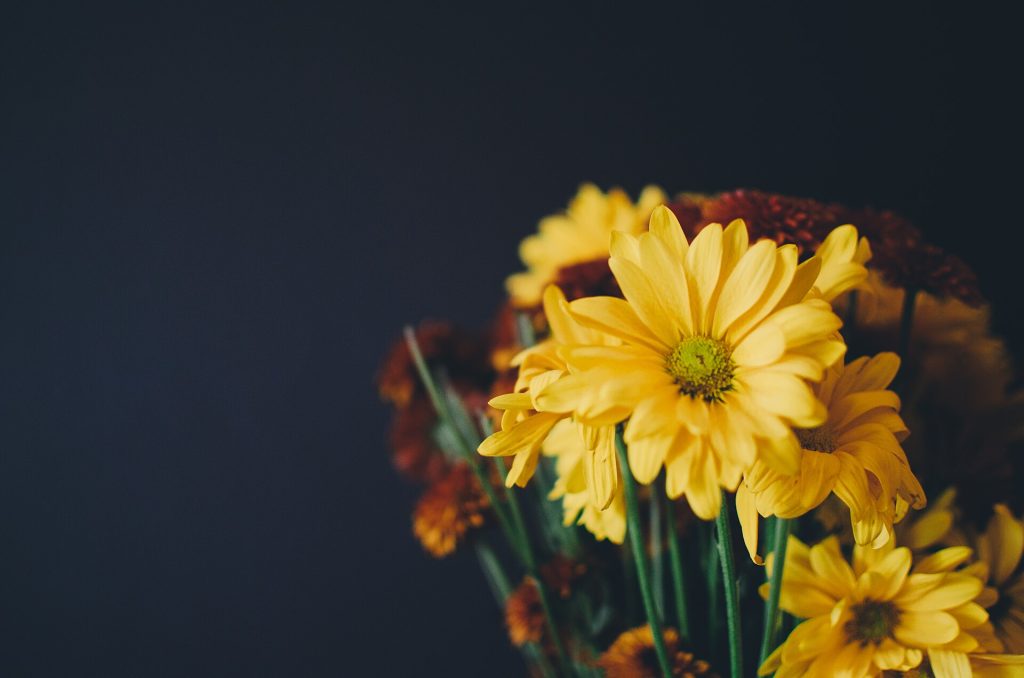
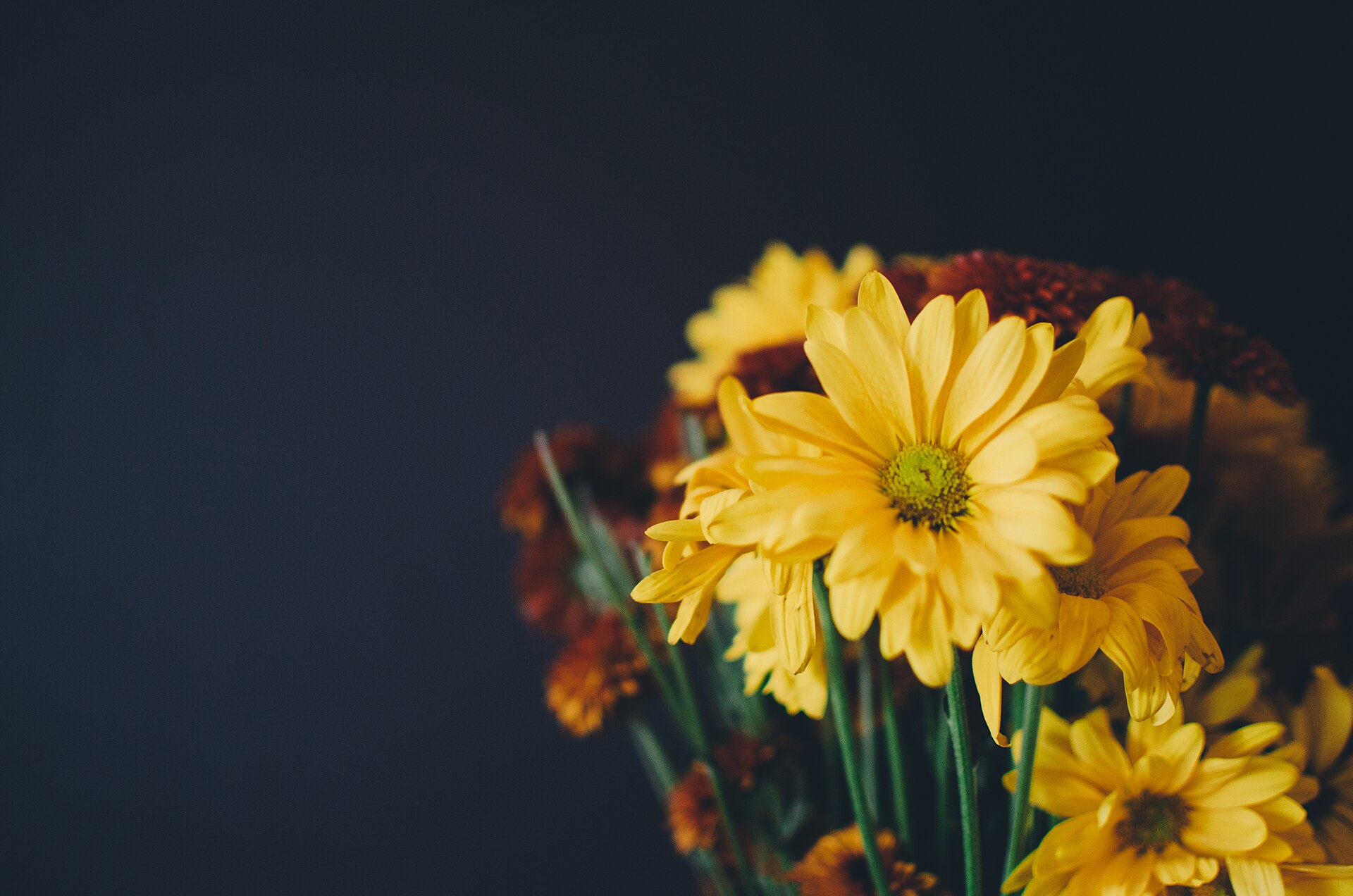

Yellow flowers are the easiest way to send cheer. In modern flower symbolism, yellow stands for friendship, happiness and optimism, which is why yellow roses, sunflowers and tulips are favorites for friends, birthdays and get well bouquets. But yellow has a more complicated past. In the Victorian language of flowers, several yellow blooms meant jealousy, disdain or fading love, and in some cultures yellow flowers are still not a good gift.
This guide explains what yellow flowers mean today, how the meaning has changed, what individual yellow flowers symbolize and when yellow is best avoided. It is part of our flower meanings series, and a companion to our guide to white flowers meaning.
Yellow flowers meaning at a glance
- Today: friendship, joy, happiness, optimism and good cheer.
- In the Victorian language of flowers: some yellow flowers carried negative meanings, such as jealousy (yellow rose, yellow hyacinth), disdain or rejection (yellow carnation) and slighted love (yellow chrysanthemum).
- Best occasions: friendship, birthdays, get well wishes, congratulations, thank you and new babies.
- Be careful with: romantic gifts, and gifts in cultures where yellow flowers carry negative meanings, such as China and Russia.
What do yellow flowers symbolize today?
Interflora sums up the modern view: red is closely linked with romantic love, while yellow is more commonly associated with friendship. Yellow is the color of sunshine, so yellow flowers suggest warmth, energy and a bright mood. That makes them a natural choice when you want to cheer someone up or celebrate a friendship rather than a romance.
You will see these meanings in many of our flower guides. Interflora describes yellow sunflowers as joy, happiness and optimism, yellow daffodils as joy and hope, and yellow gerberas as cheerfulness, “great for perking up a loved one”. The Old Farmer’s Almanac gives yellow tulips the lovely meaning “sunshine in your smile”.
The Victorian meaning: jealousy and rejection
The language of flowers that became popular in the 19th century was much less kind to yellow. The Old Farmer’s Almanac lists these traditional meanings:
- Yellow rose: jealousy, decrease of love, infidelity.
- Yellow carnation: disdain, disappointment, rejection.
- Yellow hyacinth: jealousy.
- Yellow chrysanthemum: slighted love.
The Almanac describes how a suitor in the Victorian era might answer a flower that declared devotion by sending back a yellow carnation to express disdain. Those meanings have largely faded. The Almanac notes that in modern flower symbolism the yellow rose means friendship, and most people who receive yellow flowers today will read them as a cheerful gift. Still, if you are sending flowers to someone who loves the old flower language, it is worth knowing the history.
Not every old meaning was negative. The Almanac lists the yellow lily as “happy, gay, walking on air” and yellow jasmine as grace and elegance.
Yellow flowers, by bloom
Yellow roses. The flower whose meaning has changed the most. Victorian jealousy has given way to friendship and joy, and Interflora says yellow roses are widely associated with friendship today. A bunch of yellow roses is one of the clearest ways to say “you are a great friend”. The ASPCA lists roses as non-toxic to dogs, cats and horses.
Sunflowers. Joy, happiness, optimism and loyalty, with a big, bold look that suits birthdays and get well wishes. The ASPCA lists the sunflower as non-toxic to dogs, cats and horses, which makes sunflowers a good choice for pet owners. See also how to keep sunflowers fresh in a vase.
Yellow tulips. Once linked with unrequited love, now joy and cheerful thoughts, and “sunshine in your smile” in the Almanac’s list. A good spring gift, but the ASPCA lists tulips as toxic to dogs, cats and horses.
Daffodils. Joy, hope and new beginnings, and the classic sign of spring. Daffodils are also one of the March birth flowers. The ASPCA lists daffodils as toxic to dogs, cats and horses.
Yellow gerberas. Cheerfulness and fun. The ASPCA lists the gerbera daisy as non-toxic to dogs and cats, another good pet-safer option.
Yellow chrysanthemums. Happiness and cheer in modern use, though the Almanac’s traditional meaning is slighted love and Interflora notes yellow once meant sorrow or neglected love. The ASPCA lists chrysanthemums as toxic to pets.
Yellow carnations. The one yellow flower whose old meaning still causes trouble: disdain, disappointment or rejection. Skip them for romantic gifts.
Marigolds. The Almanac says many cultures believed the marigold’s bright orange and yellow colors, like the rays of the sun, could help guide departed loved ones, which is why marigolds are central to the Day of the Dead.
Yellow freesias. Freesias are linked with friendship and trust, and yellow is one of their most common colors, so a yellow freesia bouquet is a fragrant way to thank a friend.
Other flowers often found in yellow include lilies, dahlias, ranunculus, zinnias and alstroemeria.
When to send yellow flowers
- Friendship: yellow roses, freesias or a mixed yellow bouquet are the classic way to celebrate a friend. See flowers that mean friendship for more ideas.
- Get well soon: sunflowers, yellow tulips and yellow gerberas bring color to a recovery room. See get well soon flowers, and check hospital rules before sending.
- Birthdays: yellow mixes well with orange, pink and white for a bright birthday bouquet.
- Congratulations and thank you: yellow says “well done” and “thanks” without any hint of romance. See congratulations flowers and thank you flowers.
- New babies: soft yellow is a gentle, gender-neutral color for new baby flowers.
- Romance: for a partner, pair yellow with red or pink, or choose red roses instead. An all-yellow bouquet usually reads as friendship, not love. See flowers that mean love.
Where yellow flowers can send the wrong message
Flower color meanings are not universal. The Cultural Atlas, a guide to cultural etiquette, gives these examples:
- China: yellow or white flowers are on its list of gifts to avoid. Our white flowers meaning guide explains why white is linked with mourning there.
- Russia: yellow flowers should not be given to a romantic interest, and giving any yellow gift to a friend can imply disloyalty.
- Italy: yellow flowers can indicate jealousy, while red can suggest love, passion or secrecy.
If you are sending flowers to someone from one of these backgrounds, or you are not sure, a mixed bouquet in several colors is a safe choice.
Are yellow flowers safe for pets?
A flower’s color does not affect its safety, so check the type of flower. Roses, sunflowers, gerberas and Phalaenopsis orchids are listed by the ASPCA as non-toxic to dogs and cats. Tulips, daffodils and chrysanthemums are listed as toxic. Yellow lilies are as dangerous as any true lily: the FDA warns that even small amounts of a lily plant, its pollen or the vase water can cause kidney failure in cats. See flowers safe for cats and flowers safe for dogs before you send a bouquet to a pet home.
Keep exploring
Find more color and occasion guides in white flowers meaning, pink flowers meaning, purple flowers meaning, flowers that mean love and what flowers to send, or browse the full flower meanings list. Red is covered in red flowers meaning. Blue and orange are covered in blue flowers meaning and orange flowers meaning.
Frequently asked questions
Today yellow flowers mean friendship, joy, happiness and optimism. In the Victorian language of flowers, some yellow blooms, such as yellow roses, carnations and hyacinths, were linked with jealousy or rejection, but those meanings have largely faded.
They did in the Victorian language of flowers. In modern symbolism, the yellow rose means friendship, according to the Old Farmer’s Almanac and Interflora.
Yellow is less traditional for funerals than white in Western traditions, but some families choose bright flowers to celebrate a life. In Chinese culture, yellow and white flowers are on the list of gifts to avoid, so check the family’s customs first.
You can, but an all-yellow bouquet usually reads as friendship. For romance, mix yellow with red or pink flowers, or choose red roses.
Yellow roses are the best-known friendship flower. Yellow freesias, sunflowers and yellow gerberas also carry friendly, cheerful meanings.
Sources
- The Old Farmer’s Almanac: Flower meanings, the language of flowers
- Interflora: Flower meanings
- Interflora: Sunflower meaning
- Interflora: Gerbera meaning
- Interflora: Chrysanthemum meaning
- Cultural Atlas: Chinese culture, etiquette
- Cultural Atlas: Russian culture, etiquette
- Cultural Atlas: Italian culture, etiquette
- ASPCA: Toxic and non-toxic plants
- FDA: Lovely lilies and curious cats, a dangerous combination