

Purple Flowers Meaning: Royalty, Admiration and a Little Mystery
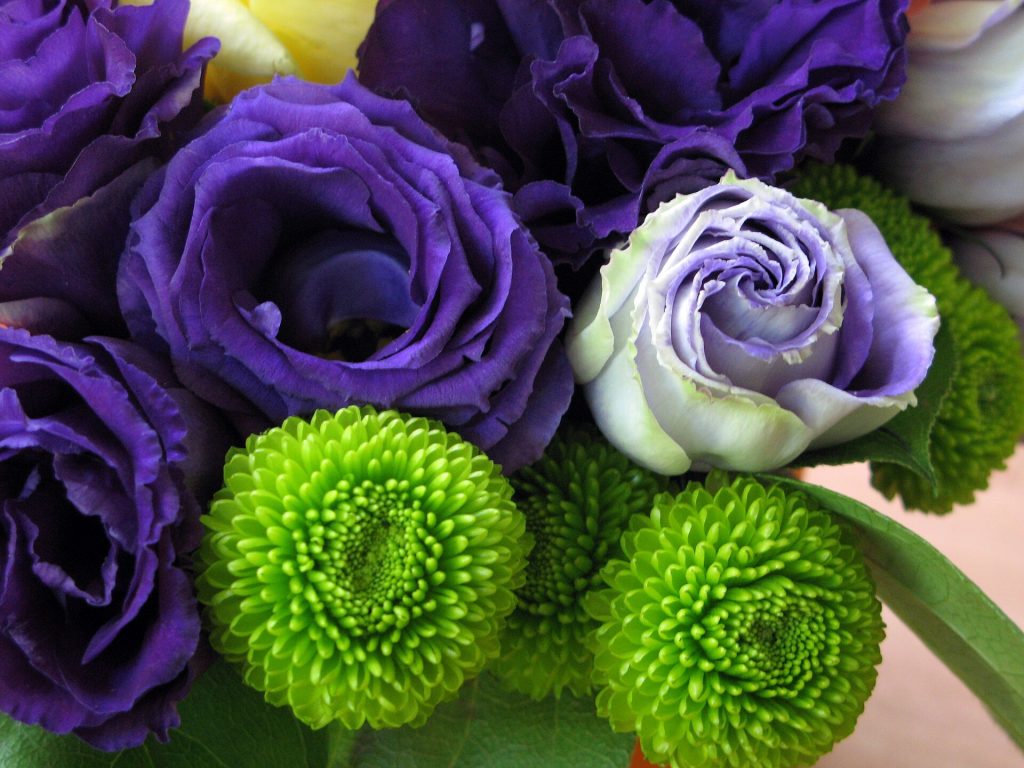
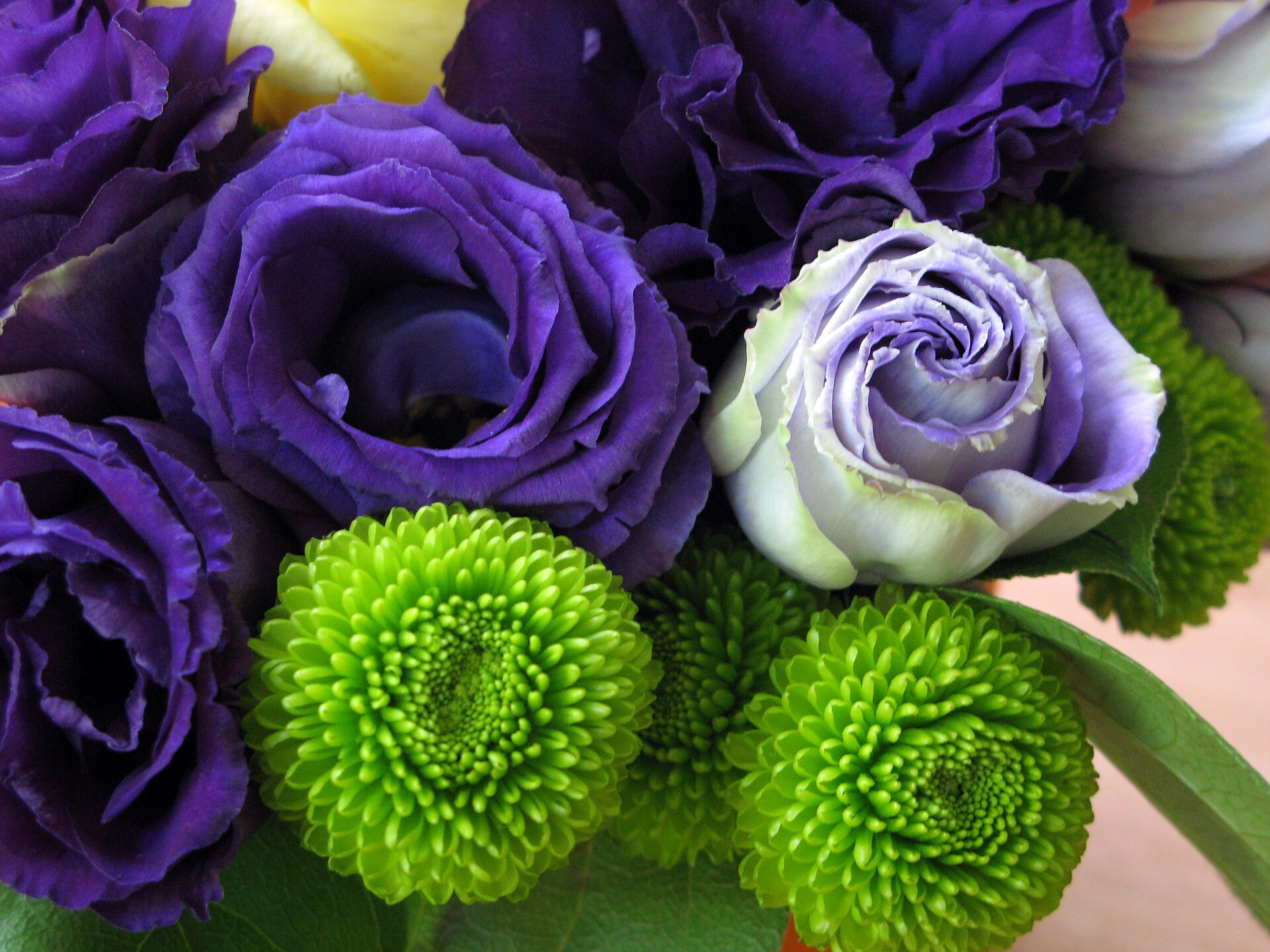

Purple flowers have a grown-up kind of beauty. Deep violet irises, lilac sprays and spikes of lavender feel elegant rather than sweet, and their meaning matches: admiration, dignity and a little mystery. Purple also carries thousands of years of history as the color of kings and emperors, which is why a purple bouquet still feels like a compliment.
This guide explains what purple flowers mean today, where the royal link comes from, what individual purple flowers symbolize and when purple is the right choice. It is part of our flower meanings series, alongside white flowers meaning, yellow flowers meaning and pink flowers meaning.
Purple flowers meaning at a glance
- Today: admiration, dignity and mystery, according to Interflora’s flower meanings guide.
- Long-standing association: royalty, luxury and status, thanks to the ancient Tyrian purple dye.
- In the Victorian language of flowers: mostly positive, from “thoughts occupied with love” (purple violet) to resolution (purple columbine), with a couple of exceptions such as sorrow (purple hyacinth) and capriciousness (purple carnation).
- Best occasions: admiration and respect, congratulations, graduations, birthdays, apologies (purple hyacinths) and a first romantic gesture (lavender roses).
What do purple flowers symbolize today?
Interflora’s flower meanings guide links purple flowers with admiration, dignity and mystery, and names purple asters, purple hyacinths and purple hydrangeas as typical examples. That makes purple a natural way to tell someone you look up to them: a mentor, a teacher, a parent or a friend who has achieved something big.
Purple sits between romantic red and calm blue, so it can lean either way. Pale lilac and lavender shades look soft and gentle in a bouquet, while deep violet and plum look rich and formal. Both carry the same core message of respect and admiration.
Why purple is the color of royalty
The royal meaning of purple comes from the ancient world. History.com explains that the purple dye trade was centered on the Phoenician city of Tyre, in modern Lebanon, and that “Tyrian purple” was made from the secretions of sea snails. Smithsonian Magazine notes that the dye is believed to have originated in Phoenicia as early as 1200 B.C., and that it was prized both for its brilliant color and because it did not fade.
The process was slow, smelly and enormously expensive, because each snail produced only a tiny amount of dye. History.com says a pound of purple wool cost more than most people earned in a year, so purple cloth became a mark of the rich and powerful, and some Roman emperors banned ordinary citizens from wearing it.
Purple became affordable only in the 19th century. The National Gallery in London tells how a young chemist, William Perkin, discovered the synthetic dye mauveine by accident in 1856 while trying to make quinine. Purple then became the height of fashion in Paris and London. That long history is why purple flowers still suggest luxury and status, and why they suit a celebration of someone’s success.
Purple flowers, by bloom
Lavender. Interflora links lavender with calm and devotion. The old language of flowers was surprisingly harsh: the Old Farmer’s Almanac lists lavender as “distrust”. Today most people think of its scent and its soothing reputation. The ASPCA lists lavender as toxic to dogs, cats and horses.
Lilac. “Joy of youth” in the Almanac’s chart, and Interflora links purple lilac with spirituality. A lovely spring gift, especially for a first love or a young graduate.
Violets. Modesty and faithfulness. The Almanac says a purple violet told the recipient that the giver’s “thoughts were occupied with love”. Violets are one of the February birth flowers.
Purple irises. Wisdom, dignity and respect. The Almanac gives the iris faith, trust, wisdom, hope and valor, which makes it a strong choice for graduations and milestone birthdays. The ASPCA lists irises as toxic to dogs, cats and horses.
Purple hyacinths. The exception to purple’s cheerful run: the Almanac lists purple hyacinth as sorrow, and Interflora links it with deep regret. That is why purple hyacinths are a traditional way to say sorry. See apology flowers.
Lavender roses. The Almanac’s meaning is “love at first sight”, which makes a lavender rose a sweet, low-pressure gift for a first date or a new relationship.
Purple tulips. Royalty and prosperity, a good fit for congratulations and spring birthdays. The ASPCA lists tulips as toxic to dogs, cats and horses.
Asters. The Almanac lists the aster as a symbol of love and daintiness, and purple and blue are the classic autumn aster colors. Asters are a September birth flower.
Purple orchids. Respect and admiration, with a luxurious look that suits a thank you to a boss, host or mentor. See how to care for an orchid if you give a potted one.
Lisianthus. A rose-like florist flower that often comes in purple. Interflora says lisianthus has historically symbolized charisma, appreciation and congeniality, and that purple lisianthus can represent royalty, ceremony and pride, so it works well for a celebration or an achievement.
Heliotrope. A fragrant purple garden flower that the Almanac lists as eternal love and devotion.
Purple carnations. The one purple flower to think twice about. The Almanac says a purple carnation conveyed capriciousness in the Victorian language of flowers. See carnation meaning for kinder colors.
Other flowers often found in purple include anemones, hydrangeas, delphiniums, freesias and sweet peas.
When to send purple flowers
- Admiration and respect: for a mentor, teacher, boss or parent, purple irises, orchids or lisianthus say “I look up to you”.
- Congratulations and graduations: purple’s royal history suits a big achievement. See congratulations flowers.
- Birthdays: violets and irises for February birthdays, asters for September. Mix purple with white or pink for a softer birthday bouquet.
- Apologies: purple hyacinths are the traditional sorry flower.
- New romance: lavender roses for love at first sight. For a long-term partner, pair purple with red. See flowers that mean love.
- Thank you: a purple orchid or a lilac and lisianthus bunch makes a stylish thank you gift.
Are purple flowers safe for pets?
A flower’s color does not change its safety, so check the type of flower. The ASPCA lists lavender, irises, tulips, hyacinths and hydrangeas as toxic to dogs and cats. Roses, Phalaenopsis orchids and China asters are listed as non-toxic. True violets and lilac are not on the ASPCA’s list, and the ASPCA notes that its list is not complete. See flowers safe for cats and flowers safe for dogs before you send a bouquet to a pet home. If a pet eats a plant and seems unwell, contact your vet or the ASPCA Animal Poison Control Center on (888) 426-4435 (a fee may apply).
Keep exploring
Compare other colors in pink flowers meaning, yellow flowers meaning and white flowers meaning, find blooms by occasion in what flowers to send, or browse the full flower meanings list. Red is covered in red flowers meaning. Blue and orange are covered in blue flowers meaning and orange flowers meaning.
Frequently asked questions
Purple flowers mean admiration, dignity and mystery, according to Interflora. Purple has also been linked with royalty and luxury since ancient times, when Tyrian purple dye was rare and very expensive.
In the ancient Mediterranean, purple dye was made from sea snails in a slow and costly process, so purple cloth was worn mainly by the rich and powerful. Some Roman emperors banned ordinary citizens from wearing it.
Lavender roses mean love at first sight, purple violets said the giver’s thoughts were occupied with love, and heliotrope means eternal love and devotion in the Victorian language of flowers.
The purple hyacinth. The Old Farmer’s Almanac lists it as sorrow and Interflora links it with deep regret, so it is a traditional apology flower.
They can be. Purple’s meanings of dignity and respect suit a tribute. White remains the most traditional funeral color in Western traditions, so check the family’s wishes first.
Sources
- Interflora: Flower meanings
- Interflora: Lisianthus meaning
- The Old Farmer’s Almanac: Flower meanings, the language of flowers
- History.com: Why is purple considered the color of royalty?
- Smithsonian Magazine: Why was purple the color of royalty?
- National Gallery, London: Color stories, purple
- ASPCA: Toxic and non-toxic plants