

Orange Flowers Meaning: Enthusiasm, Energy and Warmth
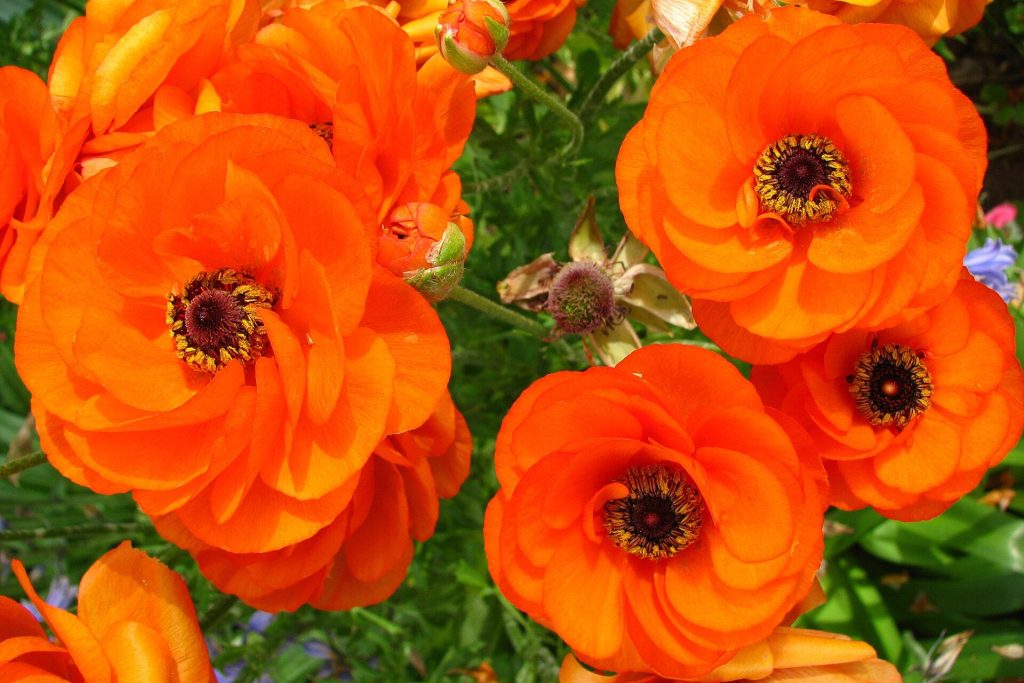
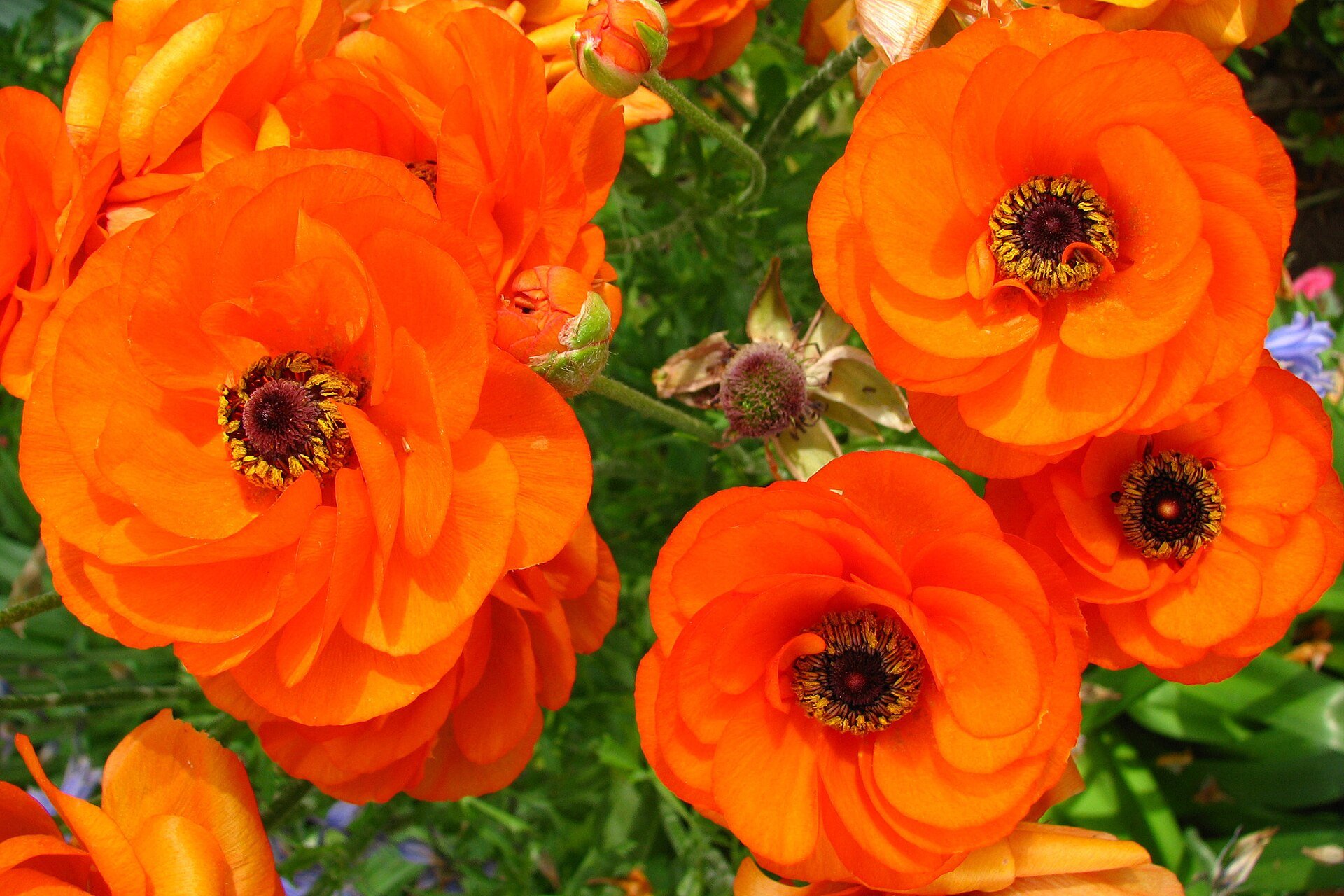

Orange is the most energetic color in a bouquet. It sits between the passion of red and the cheer of yellow, and orange flowers bring a bit of both: warmth, excitement and a sense of fun. They are a natural fit for birthdays, congratulations and fall, and they stand out in any room.
This guide explains what orange flowers mean today, how the Victorians read them, what individual orange blooms symbolize, when to send them and which ones are safe around pets. It is part of our flower meanings series, alongside yellow flowers meaning and red flowers meaning.
Orange flowers meaning at a glance
- Today: enthusiasm, vibrancy and playfulness, according to Interflora, plus warmth, energy and celebration.
- In the Victorian language of flowers: desire and enthusiasm for the orange rose, but hatred for the orange lily and wealth and pride for the tiger lily, according to The Old Farmer’s Almanac. Orange blossom meant chastity, purity and loveliness.
- Best occasions: birthdays, congratulations, friendship, get well wishes, fall celebrations and Thanksgiving, and gifts for men.
- Be careful with: orange lilies and tiger lilies in homes with cats.
What do orange flowers symbolize today?
Interflora describes orange flowers as enthusiasm, vibrancy and playfulness. Orange is the color of sunsets, fall leaves and ripe fruit, so orange flowers feel warm and generous. They say “well done”, “let’s celebrate” or “I hope this brightens your day” rather than a quiet or formal message.
Orange also has a friendly side. It is less romantic than red, so an orange bouquet suits friends, colleagues and family. The Almanac’s list of rose colors gives coral roses the meanings of friendship, modesty and sympathy, so coral and peach shades can soften orange into something gentler.
The Victorian meaning: from enthusiasm to hatred
The Victorian language of flowers gave orange some of its most mixed meanings. The Old Farmer’s Almanac lists:
- Orange rose: desire and enthusiasm.
- Coral rose: friendship, modesty and sympathy.
- Orange lily: hatred.
- Tiger lily: wealth and pride.
- Marigold: grief and jealousy.
- Nasturtium: patriotism, conquest and victory in battle.
- Orange blossom: chastity, purity and loveliness.
Few people today would read an orange lily as hatred, but it is the clearest case where an old meaning and the modern mood of a color point in opposite directions. If the person you are sending to loves floriography, choose orange roses, gerberas or ranunculus instead.
Orange blossom and Victorian weddings
One famous “orange” flower is not orange at all: orange blossom, the small white, scented flower of the orange tree. According to the Royal Collection Trust, Queen Victoria wore a simple wreath of real orange blossom when she married Prince Albert on 10 February 1840. Orange blossom was a traditional symbol of chastity and purity in the language of flowers, and her choice made orange blossom wreaths and jewelry fashionable for generations of Victorian brides. For more on bridal flowers, see our wedding flowers guide.
Orange flowers, by bloom
1. Orange roses. Desire and enthusiasm in the Almanac’s list, and a warm middle ground between romantic red and friendly yellow. They are a good choice for a new relationship or a friend you admire. The ASPCA lists roses as non-toxic to dogs and cats.
2. Orange ranunculus. Layered, paper-thin petals in bright orange and apricot. Interflora gives ranunculus the meaning of charm and beauty. The ASPCA lists buttercups (Ranunculus species) as toxic to dogs and cats.
3. Orange tulips. Interflora names orange tulips as one of its picks for orange flowers. Tulips in general stand for perfect love and the arrival of spring. See tulips in a vase for care. The ASPCA lists tulips as toxic to dogs and cats.
4. Orange gerberas. Bold, graphic daisies. Interflora gives gerberas the meaning of cheerfulness and happiness. The ASPCA lists the gerbera daisy as non-toxic to dogs and cats, so gerberas are one of the best orange choices for pet owners.
5. Marigolds. The Almanac notes that many cultures believed the marigold’s bright orange and yellow colors, like the rays of the sun, could help guide departed loved ones, which is why marigolds are central to the Day of the Dead. Marigolds are also an October birth flower. The ASPCA lists pot marigold (Calendula officinalis) as non-toxic to dogs and cats; true marigolds (Tagetes) are not on its list.
6. Orange chrysanthemums. A fall favorite. Interflora gives chrysanthemums the meaning of optimism and joy and lists orange chrysanthemums among its orange flowers. The ASPCA lists chrysanthemums as toxic to dogs and cats.
7. Orange lilies and tiger lilies. Dramatic and long lasting, but with the Almanac’s Victorian meanings of hatred (orange lily) and wealth and pride (tiger lily). More importantly, the FDA warns that true lilies, including tiger lilies and daylilies, are highly toxic to cats. Do not send them to a home with cats.
8. Zinnias. Cheerful summer flowers in orange, red and pink. The Almanac lists thoughts of absent friends and lasting affection, so an orange zinnia bunch is a nice “thinking of you” gift. The ASPCA lists zinnias as non-toxic to dogs and cats.
9. California poppies. Silky orange cups that open in the sun. The California Department of Fish and Wildlife says the California poppy became the state’s official flower on March 2, 1903, and April 6 is California Poppy Day. The Almanac lists poppies for consolation. They are better enjoyed in the garden than in a vase: the California State Capitol Museum notes that picked poppies fall apart, and that all parts of the plant have toxic properties if eaten.
10. Birds of paradise. Orange and blue flowers shaped like a bird’s head, with a strong, tropical look. They are a popular choice for men (see flowers for men). The ASPCA lists the bird of paradise flower (Strelitzia reginae) as toxic to dogs and cats.
11. Orange alstroemeria. Long-lasting, lily-like flowers that come in many shades of orange. Interflora links alstroemeria with friendship and devotion. The ASPCA lists the Peruvian lily (alstroemeria) as non-toxic to dogs and cats, so it is a safe swap for real lilies.
12. Nasturtiums. Easy garden flowers in orange, yellow and red, with the Almanac’s bold Victorian meanings of patriotism, conquest and victory in battle. The ASPCA lists nasturtium (Tropaeolum majus) as non-toxic to dogs and cats.
Other flowers often found in orange include dahlias, gladioli, snapdragons and pincushion proteas (Leucospermum), which the ASPCA lists as non-toxic to dogs and cats.
When to send orange flowers
- Birthdays: orange mixes well with yellow, pink and red for a bright birthday bouquet.
- Congratulations: orange roses, gerberas and bright mixed bunches suit new jobs, promotions and graduations. See congratulations flowers.
- Friendship: orange and coral blooms feel warm without being romantic. See flowers that mean friendship.
- Get well soon: bright orange gerberas and ranunculus bring energy to a recovery room. See get well soon flowers.
- Fall and Thanksgiving: orange chrysanthemums, dahlias and marigolds echo the season’s colors on a table.
- For him: the Society of American Florists says men tend to like vivid yellow, orange and red. See flowers for men.
Are orange flowers safe for pets?
It depends on the flower. According to the ASPCA’s toxic and non-toxic plants lists:
- Listed as non-toxic to dogs and cats: roses, gerbera daisies, zinnias, alstroemeria (Peruvian lily), nasturtium, pincushion protea and pot marigold (Calendula).
- Listed as toxic to dogs and cats: tulips, ranunculus (buttercup), chrysanthemums, dahlias and birds of paradise.
- Dangerous for cats: true lilies, including tiger lilies and daylilies. The FDA says all parts of the plant, including the pollen and even the vase water, are toxic to cats and can cause kidney failure.
If your pet eats any plant and seems unwell, call your vet or the ASPCA Animal Poison Control Center on (888) 426-4435 (a fee may apply). For more choices, see flowers safe for cats and flowers safe for dogs.
Keep exploring
Compare other colors in yellow flowers meaning, red flowers meaning, blue flowers meaning, pink flowers meaning, purple flowers meaning and white flowers meaning, find blooms by occasion in what flowers to send, or browse the full flower meanings list.
Frequently asked questions
Orange flowers mean enthusiasm, vibrancy and playfulness, according to Interflora. They are also linked with warmth, energy and celebration, which makes them a great choice for birthdays, congratulations and friends.
The Old Farmer’s Almanac lists desire and enthusiasm for the orange rose. Coral roses mean friendship, modesty and sympathy.
In the Victorian language of flowers the orange lily meant hatred, although few people read it that way today. The bigger issue is safety: true lilies are highly toxic to cats, so never send them to a home with cats.
Orange blossom, the white flower of the orange tree, stands for chastity, purity and loveliness. Queen Victoria wore an orange blossom wreath at her wedding in 1840, which made it a classic bridal flower.
The ASPCA lists roses, gerbera daisies, zinnias, alstroemeria and nasturtiums as non-toxic to dogs and cats. Avoid lilies around cats, and note that tulips, ranunculus, chrysanthemums and dahlias are listed as toxic.
Sources
- Interflora: Flower meanings
- The Old Farmer’s Almanac: Flower meanings, the language of flowers
- Royal Collection Trust: Queen Victoria and Prince Albert’s wedding
- California Department of Fish and Wildlife: California poppy
- California State Capitol Museum: California golden poppy
- Society of American Florists: Sending flowers to a man
- ASPCA: Toxic and non-toxic plants
- FDA: Lovely lilies and curious cats, a dangerous combination