

White Flowers Meaning: What White Blooms Symbolize
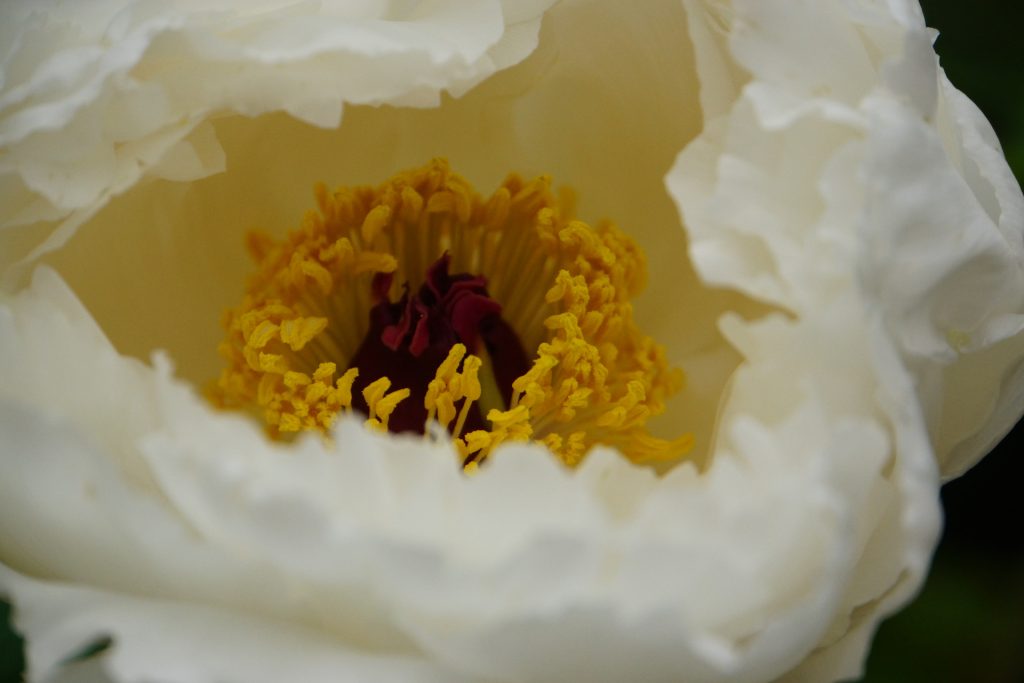
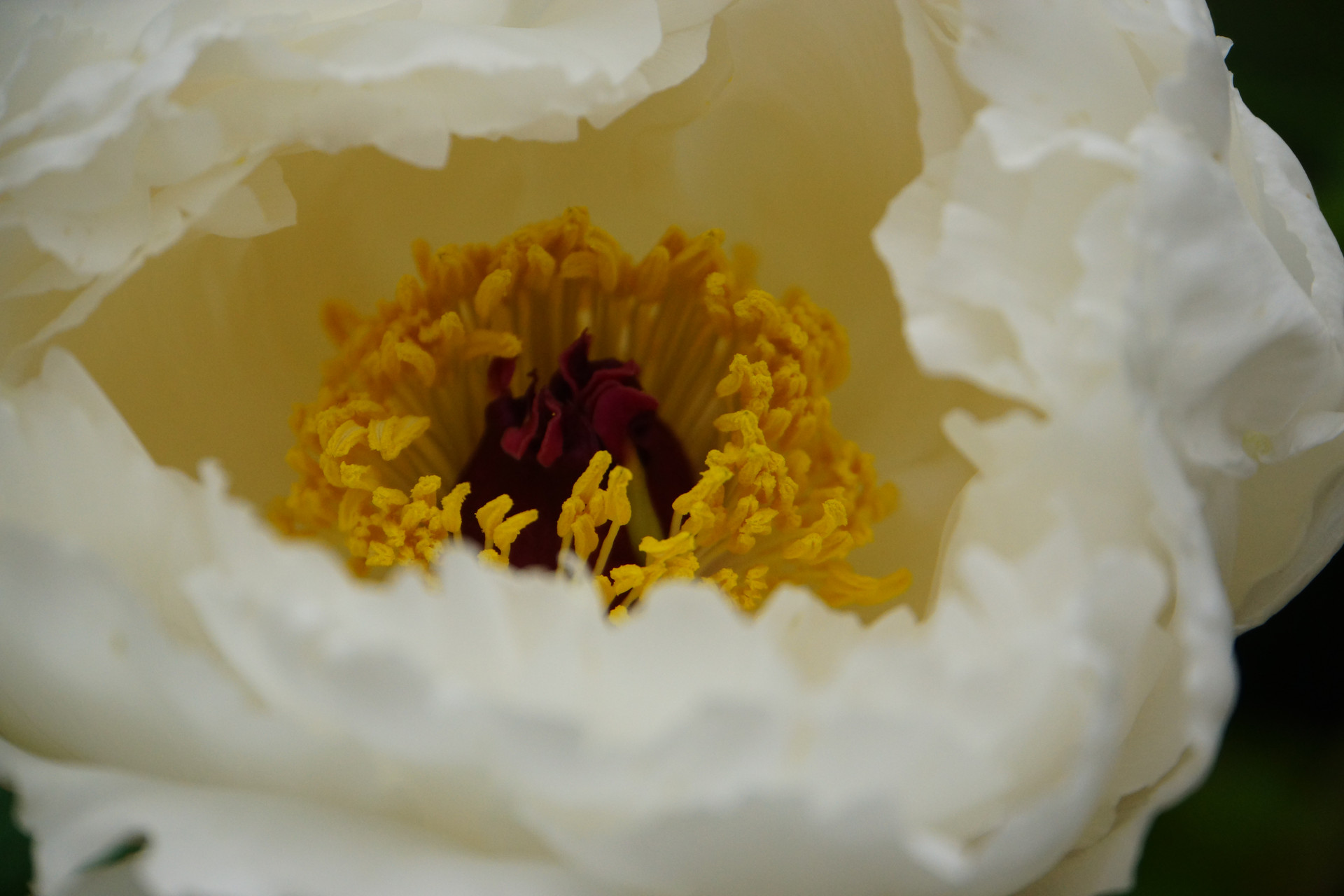

White flowers are some of the most versatile blooms you can send, and they are also some of the easiest to misread. In many Western traditions they suggest purity, innocence and a fresh start, which is why they appear in weddings, new-baby gifts and apologies. In much of East Asia, white is the color of mourning, and white flowers are what you send for a funeral, not a birthday.
This guide explains the main white flower meanings, how they change by culture, and which white blooms to choose. For related occasions, see wedding flowers, sympathy and funeral flowers, apology flowers and our funeral flowers by religion guide.
White flowers meaning at a glance
- In many Western traditions, white stands for purity, innocence, reverence and new beginnings.
- White is also a traditional color for sympathy flowers in those same traditions, especially white lilies and white roses.
- In China and Japan, white flowers are closely associated with funerals and mourning, so they are a poor everyday or celebratory gift.
- Individual white flowers still have their own meanings, from a white rose to a white tulip or white lily.
- When in doubt, think about the occasion and the recipient’s cultural background before sending an all-white bouquet.
What do white flowers symbolize?
The Old Farmer’s Almanac, in its language-of-flowers lists, gives white blooms a cluster of related meanings: a white rose for purity, innocence, reverence, a new beginning and a fresh start; a white lily for virginity, purity and the heavenly; a white carnation for innocence and pure or sweet love; and a white chrysanthemum for truth. Those Victorian-influenced readings still shape how many florists and gift-givers in Europe and North America use white flowers today.
That is why a white bouquet can be right for a wedding, a christening, a new baby, an apology or a funeral, even though those occasions feel very different. The connecting idea is sincerity and a clean slate, whether you are marking a beginning, asking for forgiveness or honoring a life.
When meanings change: East Asia and funerals
The same bouquet can send the opposite message in another context. The Cultural Atlas notes that in Japan, lilies, lotus flowers, camellias and any white flower are usually associated with funerals, and should not be given as ordinary gifts. Official guidance from Shanghai municipal authorities is just as direct about China: white is the color of mourning, so it is best to avoid giving white flowers, “especially if you’re going to give flowers to someone on their birthday.” The same guide says chrysanthemums are used to commemorate deceased family members, especially on Tomb Sweeping Day, and should never be given as a present.
In those settings, an all-white arrangement is often exactly right for sympathy, and exactly wrong for congratulations, romance or a casual thank-you. Our funeral flowers by religion guide covers Chinese, Japanese and Buddhist customs in more detail. The lesson is not that white flowers are unlucky. It is that their meaning depends on where and why they are given.
White flowers, by bloom
White roses. The Almanac lists purity, innocence, reverence, a new beginning and “I’m worthy of you.” White roses work for weddings, apologies and sympathy. They are also one of the more pet-safer formal flowers; the ASPCA lists roses as non-toxic to dogs and cats, though thorns can still injure a mouth or paw.
White lilies. A classic funeral and Easter flower in many Christian traditions, associated with purity. Beautiful, and often strongly scented. They are extremely dangerous to cats: the FDA warns that even pollen or vase water from true lilies can cause kidney failure. Do not send them to a home with cats.
White tulips. In our apology flowers guide, white tulips are one of the clearest “I’m sorry” choices. They also work as a simple spring bouquet. The ASPCA lists tulips as toxic to dogs and cats, so keep them out of a pet’s reach.
White orchids. A long-lasting plant gift that reads as refined and calm. Moth orchids (Phalaenopsis) are listed by the ASPCA as non-toxic to dogs and cats, which makes a potted white orchid a thoughtful choice when you want a white flower but need a safer option around pets.
White peonies. Lush, short-season wedding and late-spring flowers. Peonies are listed as toxic to dogs and cats, so they are better as a personal or event flower than as a casual gift to a pet household.
White chrysanthemums. In much of East Asia they are funeral flowers. In other places they can also mean truth, or simply be a sturdy autumn bloom. Know the recipient’s tradition before you send them for a happy occasion.
Other white flowers with their own pages include white carnations, gardenias, lily of the valley, white hydrangeas and baby’s breath.
When to send white flowers
- Weddings and new beginnings: white roses, peonies, orchids and many mixed white palettes. See wedding flowers.
- Sympathy: white lilies, roses, chrysanthemums and orchids are traditional in many Western services. Confirm the family’s faith and wishes first.
- Apologies: white tulips and white roses are two of the clearest choices.
- Everyday thanks, birthdays and congratulations: white can look elegant, but in Chinese and Japanese contexts it can look like a funeral gift. A mixed or softly colored bouquet is often safer.
- New babies: soft white mixed with pale pink, peach or yellow often feels gentler than a stark all-white formal arrangement. See new baby flowers.
Pet safety
An all-white bouquet is not automatically a safe bouquet. Roses and moth orchids are listed as non-toxic. Tulips, peonies, carnations, hydrangeas, chrysanthemums and lily of the valley are listed as toxic to dogs and cats. True lilies are an emergency for cats. For choosing a safer mix, see flowers safe for cats and flowers safe for dogs.
Keep exploring
For the rest of the palette, see yellow flowers meaning, pink flowers meaning and purple flowers meaning. Read more in our guides to roses, lilies, tulips and lotus flowers, or browse the full flower meanings list and what flowers to send. Red is covered in red flowers meaning. Blue and orange are covered in blue flowers meaning and orange flowers meaning. For fresh starts, see flowers that mean new beginnings. For a white flower that blooms in midwinter, see Christmas rose meaning.
Frequently asked questions
In many Western traditions they mean purity, innocence and new beginnings, and they are also used for sympathy. In China and Japan, white flowers are associated with funerals and mourning, so they are not a typical birthday or congratulations gift.
Yes, in most Western weddings white roses, peonies, orchids and mixed white palettes are classic choices. If guests or family come from traditions in which white is for funerals, talk that through when you plan the flowers.
Often yes, especially white lilies, roses and chrysanthemums. They are not appropriate for a traditional Jewish funeral, and you should always follow the family’s wishes. See our guides to sympathy flowers and funeral flowers by religion.
The Almanac lists purity, innocence, reverence, a new beginning and a fresh start. White roses are used for weddings, apologies and sympathy.
No. True lilies are extremely toxic to cats. Even pollen or vase water can cause kidney failure. Choose roses or a moth orchid instead.