

Flower Meanings: What Popular Flowers Symbolize
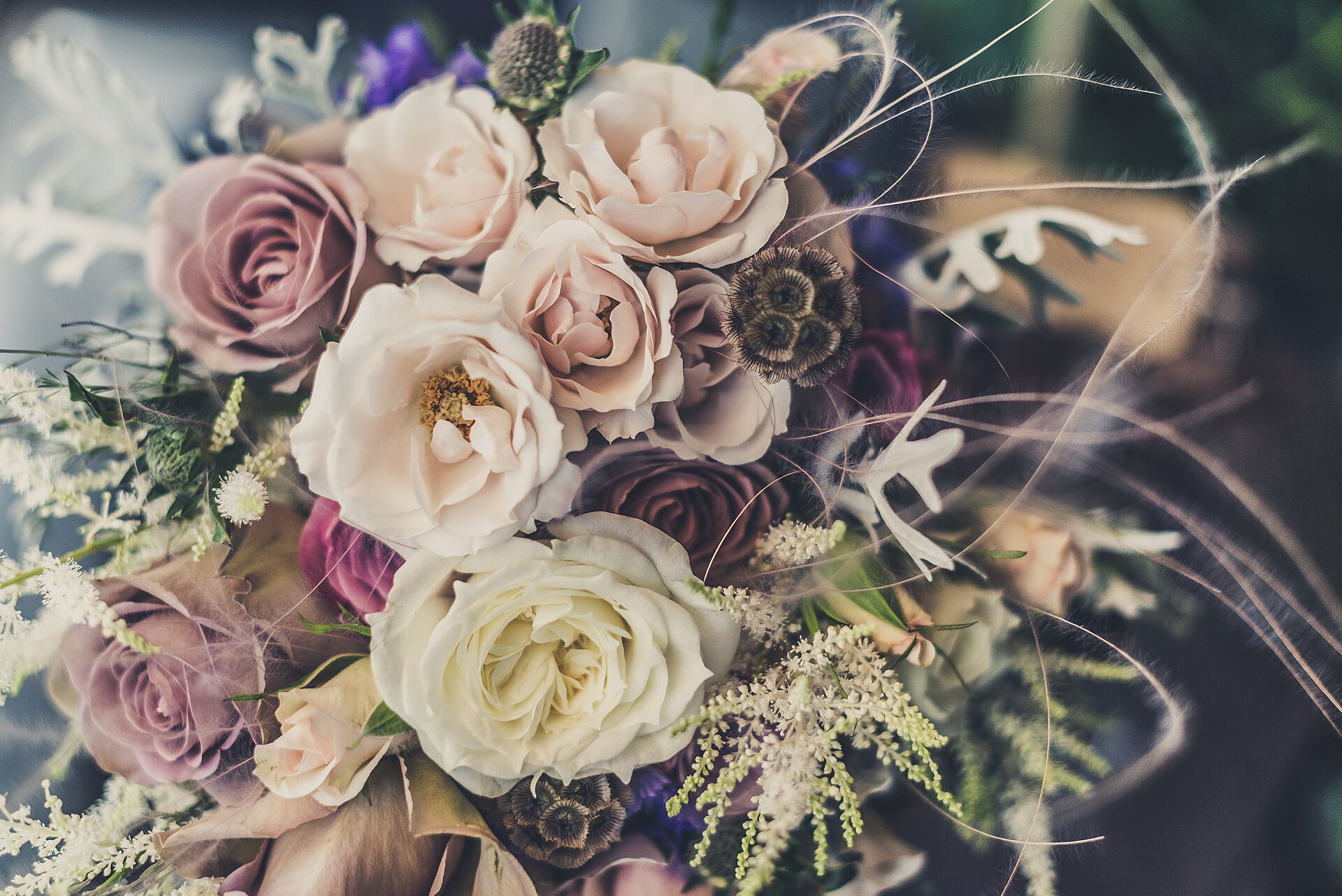

Flowers have carried messages for centuries. The Old Farmer’s Almanac notes that flower symbolism runs through the myths, folklore and plays of the ancient Greeks, Romans, Egyptians and Chinese, and plays a large role in Shakespeare’s works. Today, knowing what a flower means helps you choose a bouquet that says exactly what you want, or avoid one that says something you don’t.
This guide links to our in-depth guides to 40 popular flowers, listed from A to Z below. Each one follows the same structure: what the flower means, what each color says, its history and folklore, when to give it, how to care for it, whether it is safe for pets according to the ASPCA, and a few sourced fun facts.
Flower meanings from A to Z
Our guides in alphabetical order:
- Alstroemeria (Peruvian lily): friendship and devotion, with blooms that last about 7 to 14 days in a vase.
- Amaryllis: pride, strength and determination, and a favorite bulb for the winter holidays.
- Anemone: anticipation and protection today, but “forsaken” in the Victorian language of flowers.
- Aster: love, patience and elegance, and a classic September birth flower.
- Baby’s breath: everlasting love, and the classic airy filler for wedding bouquets.
- Camellia: admiration, perfection and long-lasting devotion.
- Carnation: devotion and a mother’s love, and one of the longest-lasting cut flowers.
- Cherry blossom (sakura): spring, renewal and the fleeting nature of beauty and life, and the Japanese tradition of hanami.
- Christmas rose (hellebore): hope and comfort in midwinter, the legend of Madelon, and the Victorian message “relieve my anxiety”.
- Chrysanthemum: joy and long life in much of the world, but mourning in parts of Europe.
- Cosmos: peace, wholeness and a joy that stays orderly even in wild gardens.
- Daffodil: rebirth, new beginnings and hope, and March’s birth flower.
- Dahlia: grace, kindness, dignity and a lasting bond.
- Daisy: innocence, loyal love and new beginnings.
- Delphinium: an open heart, levity and lightness, related to July’s larkspur birth flower.
- Forget-me-not: true love and remembrance, and the state flower of Alaska.
- Freesia: trust, innocence and long-standing friendship.
- Gardenia: secret love and “you’re lovely” in the Victorian language of flowers.
- Gerbera daisy: cheerfulness, happiness and loyal love, in the brightest colors of any daisy.
- Gladiolus: strength, integrity and victory, and August’s birth flower.
- Hibiscus: delicate beauty and fleeting tropical romance.
- Hyacinth: play and sincerity, with a different message for each color, including apology for purple.
- Hydrangea: heartfelt thanks or, in the old language of flowers, heartlessness.
- Iris: faith, hope, wisdom and valor, and a February birth flower on the UK list.
- Jasmine: sweet love and amiability, and grace and elegance for yellow jasmine.
- Lavender: calm and devotion today, but distrust in the Victorian language of flowers.
- Lilac: first love, the joy of youth and renewal.
- Lily: purity, used for weddings and sympathy alike, but dangerous for cats.
- Lily of the valley: sweetness, humility and the return of happiness, and May’s birth flower. It is not a true lily.
- Lotus: purity, enlightenment and rebirth, the sacred flower that rises unstained from muddy water. It is not the same plant as the water lily.
- Magnolia: nobility and a love of nature, from one of the oldest flowering plant groups.
- Marigold: joy, warmth and remembrance, and October’s birth flower.
- Mistletoe: love, peace and good luck, the Norse legend of Baldur, and where kissing under the mistletoe began.
- Orchid: refined beauty, luxury and admiration.
- Peony: prosperity, honor and romance, with a short and much-loved season.
- Poinsettia: Christmas joy and the Mexican legend of the Christmas Eve flower, with Aztec roots as a symbol of purity.
- Poppy: remembrance, consolation and peace, and August’s birth flower.
- Ranunculus: charm and beauty, or “dazzled by your charms”.
- Rose: the classic flower of love, with a different message for every color, from red for passion to yellow for friendship.
- Snapdragon: graciousness (and, in Victorian lists, a note of deception).
- Sunflower: happiness, loyalty and hope.
- Sweet pea: thank you, goodbye and good wishes, and April’s birth flower.
- Tulip: the flower of spring and, in the language of flowers, a declaration of love.
- Violet: modesty, faithfulness and everlasting love, and February’s birth flower.
- Zinnia: lasting affection, remembrance and cheerful summer color.
The language of flowers
The practice of using flowers to send messages is known as the language of flowers, or floriography. According to the Almanac, it became a popular pastime in the 1800s, when nearly all Victorian homes had guidebooks for deciphering it, although the definitions shifted depending on the source. Flowers could deliver messages that couldn’t be spoken aloud, and even answer questions: flowers handed over with the right hand meant “yes”, and with the left hand, “no”.
How the flowers were presented mattered too. The Almanac explains that flowers given upside down meant the opposite of their usual message, and that a ribbon tied to the left applied the meaning to the giver, while one tied to the right applied it to the recipient. A suitor who sent a rose for devotion might receive a yellow carnation, for disdain, in return.
Why meanings vary
Flower meanings are not fixed. The Almanac points out that meanings have changed over time and that different cultures assign different ideas to the same flower. Its own chart reflects mainly Victorian flower language, so it may differ from modern or non-Western interpretations. A few examples from our guides:
- Yellow roses once stood for jealousy but are now a popular symbol of friendship. See flowers that mean friendship.
- Hydrangeas can mean gratitude for being understood or, in Victorian lists, frigidity and heartlessness.
- Chrysanthemums are generally associated with joy, optimism and longevity, according to Interflora, but the Cultural Atlas notes that in Italy they symbolize death.
- White flowers suggest purity and new beginnings in many Western traditions, but the Cultural Atlas notes that in Japan they are usually associated with funerals.
When in doubt, choose flowers the person loves. A favorite flower always says the right thing, whatever the books say.
For meanings that cut across many flowers, see flowers that mean love , flowers that mean friendship, flowers that mean new beginnings, flowers that mean strength, red flowers meaning, blue flowers meaning, orange flowers meaning, white flowers meaning, yellow flowers meaning, pink flowers meaning and purple flowers meaning.
Color meanings at a glance
Color often changes a flower’s message as much as the flower itself. Broadly, across our guides:
- Red: love, passion and romance, as with red roses and red tulips. See flowers that mean love and red flowers meaning.
- Pink: gentler love, affection and gratitude, as with pink roses and pink carnations. See pink flowers meaning.
- White: purity, innocence and new beginnings in many Western traditions, and remembrance in sympathy flowers. See white flowers meaning.
- Yellow: today usually friendship and cheer, although in Victorian lists it often meant jealousy, unrequited love or disdain. See yellow flowers meaning.
- Purple: royalty for tulips, and love at first sight for lavender roses. See purple flowers meaning.
- Blue: calm, trust and sincerity, and constancy for blue hyacinths in the Victorian lists. True blue is rare in nature. See blue flowers meaning.
- Orange: desire and enthusiasm for roses, but “hatred” for orange lilies in the Victorian lists, so this is the color where old and new meanings differ most. See orange flowers meaning.
Pet safety at a glance
According to the ASPCA’s toxic and non-toxic plants lists:
- Listed as non-toxic to dogs and cats: rose, sunflower, gerbera daisy, Phalaenopsis (moth) orchid, alstroemeria (Peruvian lily), pot marigold (Calendula), true jasmine (Jasminum), star jasmine, star magnolia (Magnolia stellata), zinnia, camellia, China aster, baby’s breath (Gypsophila elegans), rose of Sharon hibiscus (Hibiscus syriacus) and common snapdragon.
- Toxic to dogs and cats: tulip, peony, carnation, hydrangea, chrysanthemum, chrysanthemum-type daisies, daffodil, dahlia, iris, lavender, ranunculus, hyacinth, gladiolus, gardenia (including Cape jasmine), amaryllis (both Amaryllis and Hippeastrum) and delphinium / larkspur (Delphinium).
- Toxic and can affect the heart: lily of the valley.
- Dangerous for cats: true lilies (Lilium). The FDA warns that even small amounts of pollen or vase water can cause kidney failure in cats.
- Sweet pea: the ASPCA lists the everlasting pea as non-toxic to dogs and cats, but the Almanac says sweet pea is considered toxic, so keep it away from pets. See our sweet pea guide.
- Not on the ASPCA’s list: anemone, freesia, lilac, common poppies, true violets, true marigolds (Tagetes), forget-me-nots, magnolias other than star magnolia, and cosmos (Almanac marks cosmos non-toxic; confirm with your vet). Each guide explains what we could and could not confirm.
If you think your pet has eaten something harmful, contact your vet or the ASPCA Animal Poison Control Center on (888) 426-4435 (a fee may apply).
Keep exploring
Find the right flowers for any occasion in our what flowers to send guide, look up the flower for any month in our birth flowers by month guide, or read the secret meaning of flowers for dozens more blooms. Our guide to 85 types of flowers can help you identify them. To make your flowers last, see our flower care guides, starting with how to keep cut flowers fresh. When the bouquet needs to say sorry, start with apology flowers.
Frequently asked questions
The language of flowers, or floriography, is the practice of using flowers to communicate feelings and messages. It became especially popular in the Victorian era.
The red rose is the best-known flower of love. Red tulips, which the Victorian language of flowers called a declaration of love, and red carnations are also associated with love.
Yellow roses are the classic flower of friendship. Sunflowers, which stand for loyalty and happiness, are another good choice.
White lilies are widely used for sympathy, and in parts of Europe, such as Italy, chrysanthemums are associated with death and funerals.
Yes. Meanings vary between cultures, historical periods and sources, so a flower that is cheerful in one country may be a funeral flower in another.
Sources
- The Old Farmer’s Almanac: Flower meanings and the language of flowers
- The Old Farmer’s Almanac: Birth month flowers
- Interflora: Rose guide
- Interflora: Hydrangea guide
- Interflora: Tulip guide
- Interflora: Lily guide
- Interflora: Chrysanthemum guide
- Cultural Atlas: Italian etiquette
- Cultural Atlas: Japanese etiquette
- ASPCA: Cats plant list
- ASPCA: Dogs plant list
- FDA: Lovely lilies and curious cats